
Montenegro Travel Guide
Explore stunning beaches, coastal fjords, high mountains and enchanting medieval settlements
Montenegro: our destination travel guide
Whether you're drawn to dramatic Adriatic coastlines, medieval walled towns or the wild mountain scenery of the interior, Montenegro has a remarkable amount to offer within a surprisingly compact country. From the best places to visit in Montenegro - Kotor, Budva, Perast - to the rugged peaks of Durmitor and the shimmering Bay of Kotor, this small Balkan nation blends Venetian, Ottoman and Austro-Hungarian heritage with breathtaking natural beauty. With an average of 240 sunny days a year and a relaxed, unhurried pace of travel, it's little surprise that things to do in Montenegro are attracting growing numbers of British visitors.
Escorted touring makes it easy to experience the highlights without the stress of driving mountain roads or navigating unfamiliar routes. Discover what makes Montenegro great, made effortless with Newmarket Holidays escorted tours to Montenegro.
Must-see places in Montenegro
• Kotor - a medieval town nestled in a dramatic mountain-ringed bay
• Budva - a charming Adriatic coastal resort with a historic old town and beaches
• Durmitor National Park - dramatic mountain scenery, canyons and outdoor adventures
• Perast - a picturesque Venetian-style village with island churches and waterfront charm
Discover what makes Montenegro great with Newmarket Holidays escorted tours.
Places to visit in Montenegro
Montenegro may be one of Europe's smallest countries, but its diversity of landscapes and cultures is genuinely impressive. The Adriatic coast curves from sandy beaches and old walled towns to the spectacular fjord-like Bay of Kotor, while the mountainous interior rises into national parks laced with canyons and glacial lakes. Here's an overview of the key places to visit in Montenegro, including those featured on Newmarket Holidays tours.

Bay of Kotor
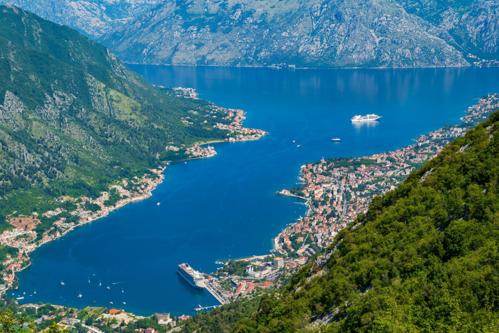
A UNESCO World Heritage Site nestled at the foot of towering limestone cliffs on the shores of the Bay of Kotor, Kotor is one of the Adriatic's finest medieval towns. Its ancient old town of narrow stone alleys, Venetian palaces, Romanesque churches and impressive fortifications is captivating to explore - and the dramatic mountain setting makes it one of the most photogenic Montenegro tourist attractions you'll encounter.
Best for: history lovers, photography, cultural immersion, scenic cruising
Included on: Dubrovnik, Montenegro & the Dalmatian Coast

Budva
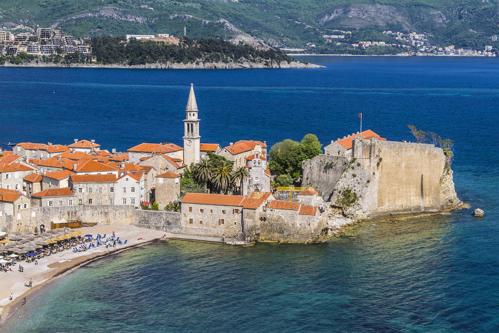
Montenegro's most popular coastal resort combines a charming medieval old town - ringed by Venetian walls and packed with churches, squares and narrow streets - with sandy beaches and a lively seafront. It's an ideal base for a mix of culture and seaside relaxation.
Best for: beach lovers, coastal relaxation, water activities, dining

Durmitor National Park
In the wild north of the country, Durmitor is a landscape of imposing scale. It's home to Europe's second-deepest canyon - the Tara River Canyon - along with glacial lakes, alpine meadows and peaks rising above 2,500 metres. For nature lovers and anyone seeking dramatic scenery, it belongs firmly on the list of must-visit places in Montenegro.
Best for: nature lovers, outdoor adventures, hiking, canyon exploration, photography

Perast
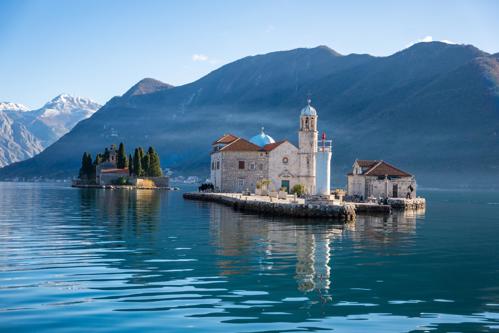
A gem of Venetian Baroque architecture perched on the shores of Kotor Bay, Perast is a peaceful, intimate contrast to busier coastal towns. Its grand waterfront palaces and the two small islands just offshore - including the man-made Our Lady of the Rocks - give it an atmosphere that lingers long after you leave.
Best for: photography, architecture, peaceful exploration, boat trips to island churches
Included on: Dubrovnik, Montenegro & the Dalmatian Coast
Our Montenegro holiday


- Explore Dubrovnik, the Pearl of the Adriatic
- Visit Split, the centre of which is a UNESCO World Heritage Site
- View the iconic Bridge of Mostar, Bosnia
-
Flights included
8 days
from £1,321 ppwas £1,555 pp -
Dates Available
April 2027 - October 2027
-
Duration
8 days
-
Depart From
10 airports
-
Excursions & Visits
6 included
-
Meals
14 included
Top things to do in Montenegro
From exploring medieval old towns to cruising the bay and venturing into mountain wilderness, there's a wide variety of things to do in Montenegro for first-time visitors and returning travellers alike. Many activities are included within Newmarket Holidays tours; others are optional suggestions that may be enjoyed during free time. Travellers should always check individual tour itineraries, as free time varies by tour.
1. Explore Montenegro's Bay of Kotor
Overview: Experience breathtakingly beautiful Montenegro on your included tour of the Bay of Kotor. Witness one of Europe's most impressive natural harbours surrounded by dramatic mountains, visit picturesque villages like Perast, explore island churches and enjoy panoramic coastal views.
Time needed: Full-day excursion (approximately 6-8 hours).
Estimated cost: Included in tour; independent boat cruises typically cost £20-£30.
Accessibility: Modern coaches provide comfortable seating. throughout. Boat transfers to island churches involve small vessel access with steps at landings. Discuss mobility requirements with your tour manager in advance.
Included on: Dubrovnik, Montenegro & Dalmatian Coast
2. Visit Perast's Island Churches
Overview: Take a short boat ride to the two famous islands in Kotor Bay as part of your included Montenegro tour: Our Lady of the Rocks (a man-made island with a Baroque church and maritime museum) and Saint George (a fortified monastery island). Guided visits reveal centuries of seafaring heritage and superb views across the bay.
Time needed: 1-2 hours (included as part of the Bay of Kotor tour).
Estimated cost: Included in tour; independent boat access. approximately £10-£15.
Accessibility: Boat access involves small vessel transfers with steps at island landings. Discuss mobility needs in advance with your tour manager.
Included on: Dubrovnik, Montenegro & Dalmatian Coast
 |
 |
3. Explore Kotor's Old Town
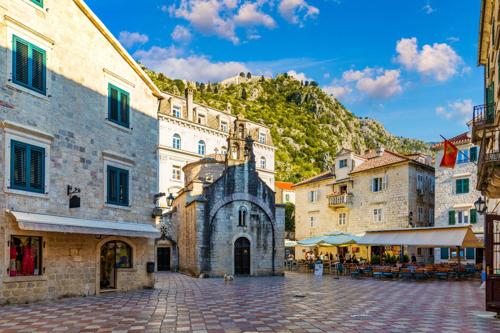
Overview: Wander the narrow stone alleys, historic churches and Venetian fortifications of Kotor's UNESCO-listed old town on the shores of the bay. The ancient city walls frame centuries of remarkable architecture and maritime history. Optional: climb the fortress walls for panoramic views.
Time needed: 2-3 hours (optional during leisure time).
Estimated cost: Free to explore; optional fortress walls entry approximately £3-£5.
Accessibility: Narrow alleys with uneven stone surfaces and occasional steps; some uphill sections. Fortress walls involve considerable climbing. Lower-level exploration is accessible; discuss requirements with your guide.
Included on: Dubrovnik, Montenegro & Dalmatian Coast
4. Discover Cetinje's Cultural Heritage
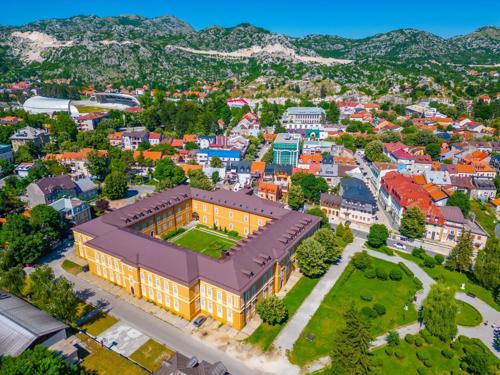
Overview: Journey to Montenegro's historic mountain capital, a compact town set among dramatic scenery with royal palaces, monasteries, museums and traditional craft workshops. An authentic encounter with Montenegrin culture away from the coastal crowds.
Time needed: 4-5 hours including travel from the coast (optional during leisure time).
Estimated cost: Typically £3-£5 for museums; town exploration is free.
Accessibility: The town is compact and walkable with some uphill sections. Museums may have steps; discuss requirements with guides.
 |
 |
5. Experience Budva's Beach & Old Town
Overview: Combine history with relaxation in Budva. Explore the charming medieval old town with Venetian walls and atmospheric streets, then enjoy sandy beaches, waterfront cafés and a lively coastal atmosphere - one of the most enjoyable things to see in Montenegro for those who like variety.
Time needed: Up to a full day (optional during leisure time).
Estimated cost: Free to explore; food and activities at varying prices.
Accessibility: The old town has steps and narrow alleys; beaches are flat and accessible. Most seafront restaurants have level table seating.
6. Explore Lovćen National Park & Njegoš Mausoleum
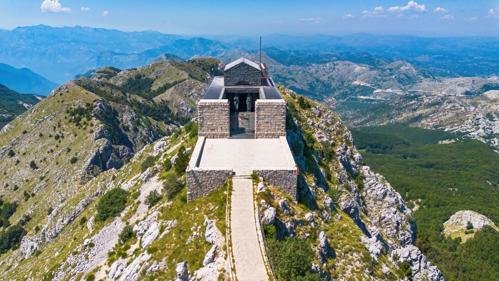
Overview: Venture into Lovćen National Park to visit the Njegoš Mausoleum, perched on a summit with panoramic views across the Bay of Kotor. The winding mountain roads pass through magnificent scenery, offering some of the most spectacular vistas in the country.
Time needed: 3-4 hours (optional during leisure time).
Estimated cost: Mausoleum entry approximately £2-£3.
Accessibility: Modern coach travel to viewpoints. The mausoleum involves climbing steps to reach the summit. Several scenic stops are accessible without extensive walking; discuss fitness levels and mobility needs with your tour manager.
 |
 |
Food & drink in Montenegro
Montenegrin cuisine is a delicious reflection of the country's geography and layered history - Mediterranean freshness along the coast, hearty Balkan flavours inland, and a warm hospitality that makes every meal feel like an occasion. Dining is leisurely and relaxed; expect generous portions, local wine and a warm welcome wherever you go. Dietary requirements can often be accommodated with advance notice - always check at booking.
Signature dishes and drinks
- Njeguški prosciutto - air-dried mountain ham; a national delicacy usually served with cheese
- Crni rižoto - black squid-ink risotto, a coastal classic
- Ćevapčići - grilled minced meat sausages, a Balkan staple
- Pljeskavica - a Balkan-style burger, often filled with cheese and served with condiments
- Burek - flaky pastry filled with meat or cheese, popular for breakfast
- Fresh oysters and mussels - from Kotor Bay, among the finest in the Adriatic
- Vranac - Montenegro's signature bold red wine, produced from local grapes
- Rakija - fruit brandy traditionally offered as a gesture of welcome; it's polite to accept a small taste
Vegetarian & plant-based dining
Vegetarian visitors will find plenty of choices rooted in Mediterranean tradition. Many classic dishes lend themselves naturally to plant-based preparation, and coastal restaurants routinely offer vegetable risotto, pasta and fresh salad. Vegetable-based burek, fresh salads and olive oil dishes are widely available; Mediterranean vegetables - tomatoes, peppers, aubergines - feature prominently in local cooking. Local markets are excellent for fresh produce, artisan cheese and bread. It's worth asking about ingredients and preparation, particularly for dishes that may contain meat stock.
Safe street food & drinking water tips
- Street food is most common in coastal towns and markets; fresh seafood stalls are a good indicator of quality and turnover
- Local bakeries offer freshly baked bread, pastries and burek throughout the day
- Tap water is generally safe to drink in Montenegro, though bottled water is inexpensive and widely available
- Hygiene standards in restaurants catering to tourists are generally good; escorted tours handle meal logistics throughout
Local dining etiquette
- Meals are social occasions; dining is unhurried and leisurely
- Family-style sharing of dishes is encouraged in traditional settings
- Accepting rakija or coffee as a hospitality gesture is a sign of respect
- Greetings are warm; "Dobro došli" (welcome) is a common phrase you'll hear on arrival
Getting around Montenegro
Montenegro is a compact country, and most of its key sights are easily reached by comfortable coach travel - ideal for escorted touring. Here's what first-time visitors need to know.
Arrival airports: The main entry points for UK travellers are Podgorica (the capital) and Tivat, conveniently close to the Bay of Kotor. Flight times from the UK are approximately two hours and 40 minutes.
Coach travel: Newmarket Holidays tours use comfortable, air-conditioned coaches throughout - no need to self-drive. Your tour manager handles all logistics, from transfers to timed arrivals at attractions.
Travel times: Kotor to Podgorica is around two hours; Kotor to Durmitor is approximately three to four hours. Mountain roads are winding but well-maintained, and the scenery en route is spectacular.
Boat transfers: Coastal and island access often involves short boat trips - most notably to the island churches near Perast. These are straightforward and well-organised on escorted tours.
The best time to visit Montenegro
Montenegro is a year-round destination, and the best time to visit Montenegro depends on what you're looking for. The Mediterranean coast enjoys hot summers and mild winters, while the mountain interior can experience snow from late autumn through to early spring. Here's a quick overview by season.
Spring (April-May)
Mild temperatures, wildflowers in bloom and fewer visitors than the peak summer period. Spring is excellent for coastal sightseeing, guided touring and mountain hiking. Water temperatures are still cool for swimming, but the conditions for exploring old towns and national parks are ideal. April can bring occasional rainfall, while May is among the finest months of the year.
Summer (June-August)
Warm, sunny weather and long days make summer perfect for beaches, boat cruises and coastal exploration. June offers great conditions before peak-season crowds arrive in earnest; July and August are the busiest and warmest months, with temperatures on the coast regularly reaching 28-30°C. Early morning excursions are recommended during the hottest weeks.
Autumn (September-October)
Many experienced travellers rate autumn as the finest time to visit. Temperatures remain warm and comfortable (often 19-26°C in September), sea temperatures stay pleasant for swimming, and visitor numbers drop away noticeably. Autumn is statistically the driest season, and the coastal and mountain scenery takes on particularly attractive colours.
Winter (November-March)
The coast remains mild in winter - typically 5-12°C - and the quieter conditions make for excellent-value cultural touring. Mountain regions experience occasional snow, which makes for spectacular scenery, though some high passes may have restricted access. Winter suits those travelling primarily for history, architecture and authentic local culture.
Montenegro weather by month
| Month | Temp | Notes |
|---|---|---|
| January | 5–10°C | Quieter touring, festive atmosphere in towns, mountain sightseeing. |
| February | 5–10°C | Good-value season; occasional mountain snow adds scenic interest. |
| March | 8–14°C | Early spring; mountain passes reopening; wildflowers beginning to emerge. |
| April | 12–18°C | Excellent for all activities; fewer crowds; ideal for hiking. |
| May | 16–23°C | Among the very best months; wildflowers in bloom; sea warming. |
| June | 20–27°C | Peak season begins; perfect beach weather; sea swimmable. |
| July | 23–30°C | Warmest month; busiest period; ideal for water activities. |
| August | 23–30°C | Peak season; excellent for swimming and boating; busiest beaches. |
| September | 19–26°C | Sea still warm; fewer crowds; an outstanding month to visit. |
| October | 15–22°C | Comfortable for all activities; good-value season; beautiful autumn scenery. |
| November | 10–16°C | Quieter touring; occasional rainfall; shoulder season value. |
| December | 6–12°C | Festive atmosphere; quietest period; good value; mountain snow possible. |
Accessibility & comfort in Montenegro
Montenegro's escorted tours are designed for comfortable, well-paced travel that minimises unnecessary exertion while maximising what you see. A few practical points are worth knowing before you travel.
- Historic old towns - particularly Kotor - have narrow alleys, uneven stone surfaces and occasional steps; comfortable, sturdy footwear is essential
- Mountain regions involve winding roads and changes in altitude; these are well-managed by coach
- Modern coastal hotels are generally well-equipped with accessible facilities
- Coaches minimise walking requirements between destinations; guided tours manage pace and include rest breaks
- Coastal areas are generally flat and accessible; mountain sites (such as the Njegoš Mausoleum) present greater physical challenges
- Layered clothing is recommended: the coast can be warm while mountain areas remain noticeably cooler
- Discuss any mobility or health requirements at the time of booking so that appropriate arrangements can be made
Essential information for Montenegro
Here's a quick reference to the everyday practicalities useful to know before you travel.
Montenegro’s currency
Montenegro uses the euro (€), despite not being a member of the European Union. Card payments are accepted at most tourist-area hotels, restaurants and shops. Cash is useful for smaller purchases, tips and local markets; ATMs are widely available in coastal towns and city centres.
Tipping in Montenegro
Tipping is customary and appreciated. Around 10% is reasonable in restaurants where service isn't already included. Rounding up works well in cafés and bars. Hotel housekeeping staff, guides and drivers appreciate modest tips of €1-€3 per day.
Plugs in Montenegro
Montenegro uses Type C and Type F plugs (two round pins). UK travellers will need an adaptor. The voltage is 230V and the frequency is 50Hz - the same as the UK - so your devices will function normally. Many hotels have adaptors available, though it's worth packing your own.
Montenegro’s language
The official language is Montenegrin, a variant of Serbian. English is increasingly widely spoken in tourist areas, hotels and restaurants. On an escorted tour, your tour manager will facilitate all communications throughout.
FAQs
Discover our blog

The best places to go on holiday in September
September is a brilliant time to travel. From North America's autumn colours to Europe's harvest season, see where to go on holiday this September.

Montenegro’s culture explained
From local traditions to the contrasting influences that have shaped the country, fascinating cultural discoveries are never far away in Montenegro.

The best European hotspots to explore in 2026
While Europe is home to spectacular sights, some spots stand out from the rest. From the dramatic Norwegian fjords to the beautiful Douro Valley, we’ve rounded up the top European travel destinations for 2026.