
Montenegro’s culture explained

From local traditions to the contrasting influences that have shaped the country, fascinating cultural discoveries are never far away in Montenegro.
Though its Adriatic neighbours, Greece, Croatia and Italy, are often higher on many holidaymakers’ travel wish-lists, Montenegro is well worth a visit in its own right. With its delightful local cuisine and some of Europe’s finest landscapes, there are more than a few reasons why you should include this lesser-explored nation in your travel plans. One of the most memorable parts of any Montenegrin itinerary is the culture, but what makes it so special?
What is Montenegrin culture?
The main thing to understand about Montenegro’s cultural makeup is that it’s heavily family-oriented and the ideals of Čojstvo i junaštvo (integrity and courage) remain central to everyday life. Despite having been influenced by other cultures, Montenegrin communities still honour their local customs and traditional ways of life to this day. What does that look like in everyday life, though?
What to expect in Montenegro
Slower-paced way of life
A major difference between life in Montenegro and the UK is the pace of life, and Montenegrins are known for their laid-back approach. One word you might hear, polako, sums the country’s attitude up well, and loosely translates to ‘take it easy’. Mornings often begin slowly, with a coffee at a local café seen as a must and are highly recommended for getting a feel for life on the Adriatic.
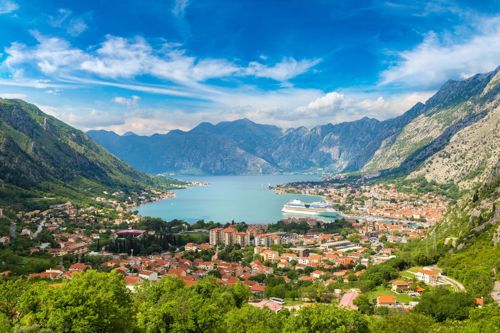
For the truest sense of traditional Montenegrin ways of life, be sure to visit the country’s smaller towns. One of the best traditional villages you’re likely to find is Kotor, the charming centre of Europe’s southernmost fjord, with its UNESCO-listed walls and delightful pavement-side cafés.
Unique cuisine
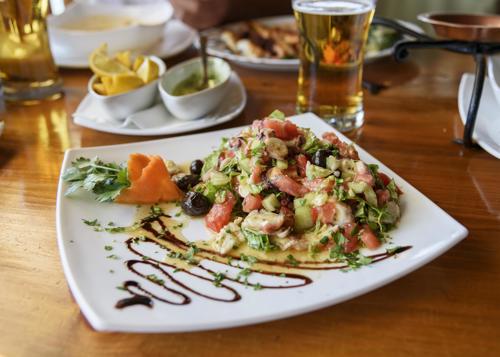
When it comes to food in Montenegro, the local delicacies are very much shaped by the landscapes around them. While seafood takes pride of place on the dinner tables of coastal towns such as Kotor and Budva, it’s more often hearty meat dishes and slow-cooked stews that are enjoyed in the mountainous north. Classical Montenegrin foods you’ll definitely want to try while visiting include octopus salad, pršut (air-dried beef), and the national dish, kačamak (a potato, cornmeal and cheese porridge).
Freshness is everything in Montenegrin cooking, with bread baked daily, olive oil pressed locally and vegetables sourced from kitchen gardens rather than supermarkets. Simple and tasty, Montenegro’s cuisine is straightforward and proves that cooking doesn’t have to be complicated to be satisfying.
Long religious history
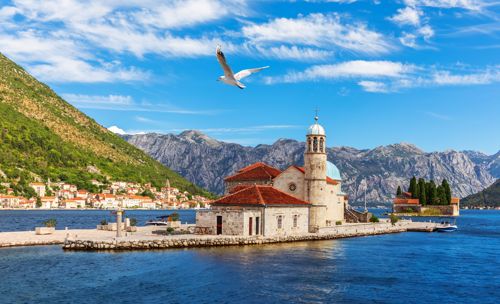
Faith plays a central part of Montenegrin culture, and the hallmarks of the country’s religious history can be easily found while exploring its charming medieval towns. Though the majority of the population is Orthodox Christian, with many of Montenegro’s monasteries still actively used as places of worship, Islam and Catholicism are widely observed as well.
Catholic landmarks, for instance, are a common sight along the coast, having been left behind by the country’s former Venetian, Austro-Hungarian and Serbian rulers throughout history. To the far north and east of the country, conversely, the Ottoman Empire’s influence can still be felt with Islamic architecture still easily found. In a more general sense, religion in Montenegro remains a living part of the country’s national identity, and the country is richer for it.
Love of the outdoors
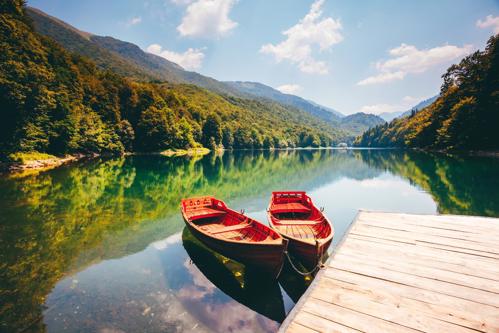
Montenegrins live close to the land and are deeply conscious of protecting their country’s natural beauty for generations to come. This Balkan nation packs an extraordinary range of environments into a small space, from its idyllic Adriatic beaches and to the glacial lakes and alpine forests that can be found further inland.
Traditional lifestyles are still active parts of everyday life and, as you explore the country’s enchanting landscapes, you’ll be likely to spot people hunting, fishing and foraging. Highlights include the national parks at Durmitor, Biogradska Gora and Lovćen, and the exquisite Bay of Kotor, with its vast mountain valleys.
Outside influences
Few countries of Montenegro's size carry such a rich variety of outside influences, and this cosmopolitan blend of cultures promises some of truly unique sightseeing opportunities. While the Venetians held the coast for centuries, leaving their architecture, saints' days, and seafaring culture, the Ottomans instead shaped the country’s inland cities in ways that are still visible today.
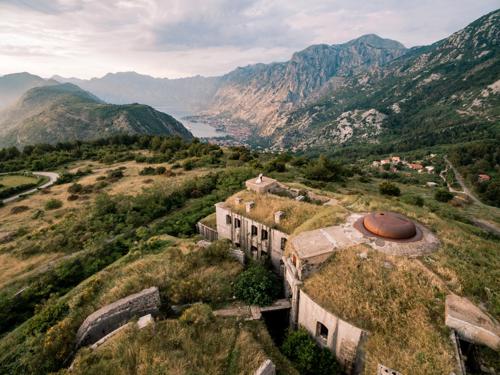
The Habsburgs left their mark on the country’s landscapes, too, and you can still find plenty of Austro-Hungarian hill forts dotting the coasts and mountainous north. Set alongside the country's own time-honoured traditions, including the tribal structures of the highlands and music and poetry of the guslar (Balkan bards), the result is a culture that is borrowed, contested and distinctly its own.
Hear what one of our customers made of Montenegro
We’ve just arrived back from our tour of Dubrovnik, Montenegro and the Dalmatian Coast. I was there with my parents and auntie, and we all thought it was great. All the areas we visited were beautiful and interesting. Our Tour Manager, Sanjana was fantastic. She was very organised, calm & knowledgeable, and she kept us all entertained throughout. It was my parents’ anniversary during the holiday, and Sanjana went the extra mile to make it special for them. I would definitely recommend doing this tour.
– Lisa, Customer
Explore Montenegro for yourself with Newmarket Holidays
If you’re keen for a closer look at traditional Montenegrin culture or are simply looking for somewhere new to tick off your travel wish-list, our Balkan tours are the ideal choice. To get the ball rolling on your next escape, or for more information on our featured itineraries, give one of our friendly holiday planners a call today. If you’ve got your eye on another destination around the globe, you can also browse our full escorted touring collection on our dedicated destinations page.


