
Egypt Travel Guide
Ancient monuments, Nile landscapes and Red Sea shores across one of the world's most fascinating destinations
Egypt: our destination guide
Few destinations leave an impression quite like Egypt. From the monumental scale of the Pyramids of Giza to the sacred temples lining the Nile Valley and the turquoise waters of the Red Sea, this is a country of extraordinary variety and enduring fascination. Whether you're drawn to ancient history, vivid landscapes, or the unhurried rhythm of a river cruise, Egypt offers it all within a single, rewarding journey.
For travellers who value comfort, expert insight, and the reassurance of a well-planned itinerary, escorted touring is the ideal way to experience Egypt's iconic sights. With logistics managed and a knowledgeable tour manager alongside you throughout, you can focus entirely on the experience. This Egypt travel guide covers everything you need to know before you go.
Quick highlights: must-see places across Egypt
- Cairo – Ancient treasures, the Pyramids of Giza, and vibrant modern culture
- Nile Valley – Sacred temples, riverside villages, and scenic cruises
- Luxor – Ancient Thebes’ splendour, with the Valley of the Kings and Karnak Temple
- Aswan – Riverside elegance, Nubian culture, and the gateway to Abu Simbel
- Red Sea Resorts – Relaxation, coral reefs, and water activities alongside cultural touring
Discover the wonders of Egypt, made effortless, with Newmarket Holidays escorted tours.
Places to visit in Egypt
Egypt's diversity is part of its appeal. Whether you're exploring the pharaonic monuments of Upper Egypt or relaxing beside the Red Sea, each region offers its own distinct character. Here are the key places to visit across Egypt, including those featured in Newmarket Holidays tours.

Cairo
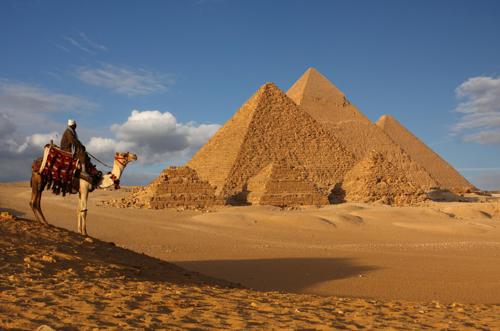
Egypt's capital is one of Africa's most captivating cities and the gateway to some of the world's most iconic ancient wonders. The Pyramids of Giza and the Great Sphinx stand just outside the city on the Giza plateau, as remarkable in person as any image suggests. Back in the city, the Egyptian Museum holds an extraordinary collection of pharaonic treasures, including Tutankhamun's golden mask and thousands of artefacts spanning millennia.
Best for: history lovers, first-time visitors, cultural immersion
Explore Cairo tours with Newmarket Holidays.

Luxor
Known as ancient Thebes, Luxor is one of the greatest open-air museums in the world. The Valley of the Kings, on the west bank of the Nile, contains the tombs of pharaohs including Tutankhamun, while Karnak Temple and Luxor Temple reveal the grandeur of ancient religious life on the east bank. Luxor is a cornerstone of most Egypt itineraries, and it's easy to understand why.
Best for: temple exploration, archaeological wonders, multi-day touring
See the Cairo, Luxor & Nile Cruise tour with Newmarket Holidays.

Red Sea
For those looking to combine Egypt's ancient wonders with some time by the water, the Red Sea coast offers a brilliant contrast. Hurghada and Sharm El-Sheikh are the main resort bases, both well-known for their coral reefs, warm waters, and water sports.
Best for: beach relaxation, snorkelling, water activities

Hurghada
Egypt's most established Red Sea resort, Hurghada has transformed from a small fishing village into a lively coastal destination known for its coral reefs, water sports, and year-round sunshine. It's a natural complement to Egypt's ancient highlights, and for those wanting to extend their holiday, it's available as a Tour Plus beach extension on the Cairo, Luxor & Nile Cruise, offering a few days of relaxation by the Red Sea after your cultural tour.
Best for: beach relaxation, snorkelling, water sports, Red Sea extension stays
Explore Cairo, Luxor and Nile Cruise with Hurghada Beach Escape

Nile Valley
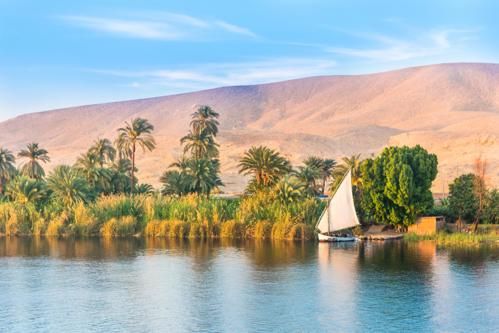
The Nile has shaped Egyptian civilisation for thousands of years, and travelling its length by cruise ship remains one of the most captivating ways to experience the country. The river corridor between Luxor and Aswan passes through some of Egypt's most significant archaeological sites, with temples, felucca sailboats, and riverside villages forming a landscape that feels both ancient and alive.
Best for: relaxed sightseeing, temple visits, scenic river cruises

Aswan
Aswan is the elegant southern gateway to the Nile cruise experience. Quieter than Cairo and Luxor, it offers a more relaxed pace alongside a rich array of sights: the High Dam, the spectacular Philae Temple on its island setting, and the Nubian Museum. From Aswan, optional excursions to Abu Simbel – the colossal rock-cut temples of Ramesses II – can be arranged.
Best for: riverside relaxation, Nile cruises, Nubian culture, southern exploration
Our holidays to Egypt


- Take in Giza’s most famous sights, from its grand pyramids to the Great Sphinx on a guided tour and watch ancient history come to life.
- Discover Egypt’s pharaonic past with a visit to Edfu’s immaculately preserved Temples of Horus
- Witness Aswan’s High Dam and enjoy a traditional felucca ride across the Nile’s gentle waters
-
Flights included
11 days
from £3,089 ppwas £3,635 pp -
Dates Available
February 2027 - October 2028
-
Duration
11 days
-
Depart From
1 airport
-
Excursions & Visits
10 included
-
Meals
27 included


- Take in Giza’s most famous sights, from its grand pyramids to the Great Sphinx on a guided tour and watch ancient history come to life.
- Discover Egypt’s ancient past with a visit to Edfu’s immaculately preserved Temples of Horus
- Unwind against the idyllic backdrop of the Nile with a seven-night cruise aboard a luxury cruise ship
-
Flights included
15 days
from £3,271 ppwas £3,849 pp -
Dates Available
May 2027 - November 2028
-
Duration
15 days
-
Depart From
1 airport
-
Excursions & Visits
10 included
-
Meals
37 included
Top things to do in Egypt
Egypt's range of experiences is as broad as its history is deep. Below you'll find some of the highlights worth considering when planning your visit. Many activities are included within Newmarket Holidays Egypt tours, while others may be offered as optional excursions during leisure time. Always check individual tour itineraries, as free time varies by departure.
Visit the Pyramids of Giza & the Great Sphinx
Standing before the Pyramids of Giza is one of travel's truly unforgettable experiences. The Great Pyramid of Khufu, the Pyramid of Khafre, and the Pyramid of Menkaure have stood for over 4,500 years, and the Great Sphinx guards them still. A guided visit brings the history and mysteries of these ancient structures to life in a way that's difficult to replicate independently.
Time needed: 3–4 hours to fully explore
Estimated cost: typically included on escorted tours; individual entry from approximately £15–20
Accessibility: terrain is uneven and sandy; limited shade. Early morning visits are recommended. Discuss mobility needs with your tour operator in advance.
Nile River Cruise
A Nile cruise is the centrepiece of many Egypt itineraries, and with good reason. Gliding between Luxor and Aswan, you'll pass riverside villages, ancient temple complexes, and landscapes that have changed remarkably little over centuries. The Newmarket Holidays Cairo, Luxor and Nile Cruise includes seven nights aboard, with a full-board experience and guided visits to Karnak Temple, the Valley of the Kings, Edfu's Temple of Horus, Kom Ombo, and Aswan.
Time needed: 1–7 days depending on the route
Estimated cost: typically included on escorted tours; varies by accommodation standard
Accessibility: modern cruise ships offer step-free access, lifts, and accessible cabins. Discuss specific requirements at booking.
 |
 |
Explore Luxor's Temples: Karnak & Luxor Temple
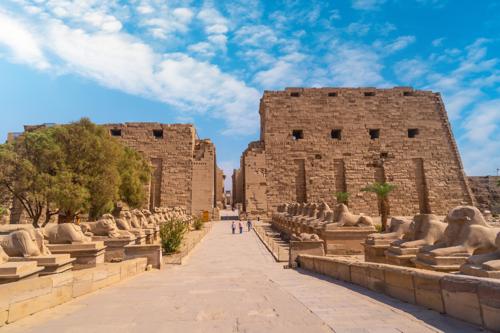
Karnak Temple Complex is one of the largest religious structures ever built. Its Great Hypostyle Hall – 134 towering columns, each carved with hieroglyphs – is breathtaking in scale. Just a short distance south, Luxor Temple stands on the Nile's east bank, connected to Karnak by the Avenue of Sphinxes and once the site of royal coronations across centuries.
Time needed: 4–6 hours, typically split across touring days
Estimated cost: individual entry from approximately £10–15; often included on escorted tours
Accessibility: temple grounds involve considerable walking on uneven surfaces. Shaded areas are limited; comfortable footwear is essential.
Valley of the Kings
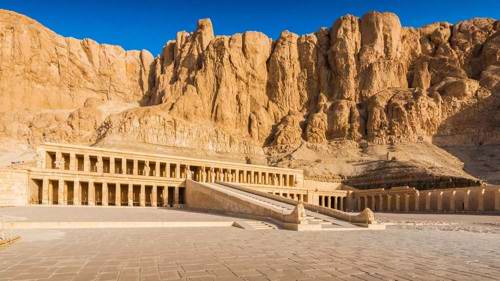
Across the Nile from Luxor, the Valley of the Kings contains the elaborately decorated tombs of pharaohs, including the famous burial chamber of Tutankhamun, discovered in 1922. Intricate wall paintings and hieroglyphics cover the chambers, giving vivid insight into ancient Egyptian beliefs about the afterlife.
Time needed: 3–4 hours for the full experience
Estimated cost: typically included on escorted tours; individual entry from approximately £15–20
Accessibility: some tombs involve steps and narrow passages. Not all are wheelchair-accessible; discuss options with your guide in advance.
 |
 |
Egyptian Museum & Antiquities
The Egyptian Museum in Cairo houses the world's largest collection of pharaonic artefacts. Tutankhamun's golden death mask is the headline exhibit, but the royal mummies gallery and the sheer breadth of the collection are equally compelling. A guided tour transforms the experience, providing context for objects spanning thousands of years of history.
Time needed: 2–3 hours depending on your pace
Estimated cost: individual entry from approximately £15–18
Accessibility: the museum has multiple floors with lifts and ramps available, making most galleries accessible. Some sections involve considerable walking; staff can direct you to key highlights if you prefer a shorter route.
Felucca Sailing on the Nile
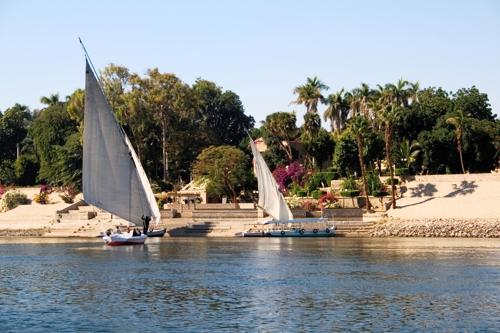
A traditional felucca – a wooden sailboat with a distinctive triangular sail – offers one of the most peaceful ways to experience the Nile. Floating gently past riverside villages and ancient sites, with little more than the sound of the water, it's a memorable contrast to the grandeur of temple touring.
Time needed: around 1–2 hours
Estimated cost: approximately £15–30 depending on the season; check individual tour itineraries
Accessibility: boarding involves some steps; surfaces can be uneven. Discuss requirements with operators.
 |
 |
Abu Simbel Temples
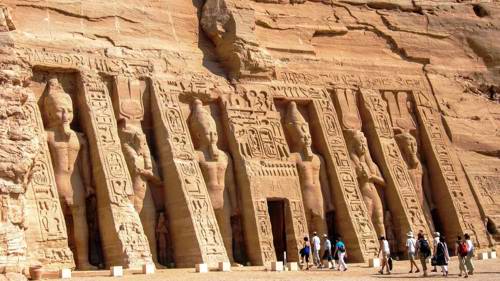
These colossal temples, carved from a cliffside under Ramesses II, are among Egypt's most spectacular sights. They're not included in the standard itinerary, but Abu Simbel is available as an optional add-on excursion that can be arranged at the time of booking. The temples were famously relocated in the 1960s to save them from the rising waters of Lake Nasser.
Time needed: up to a full day, including travel from Aswan
Estimated cost: individual trips from approximately £60–80
Accessibility: desert terrain and limited facilities. Early morning departures are common. Discuss fitness and mobility needs in advance.
Food & drink in Egypt
Egyptian cuisine draws on a rich culinary tradition rooted in the fertile Nile Valley and the flavours of the wider Middle East. Meals tend to be generous, communal, and full of character, from slow-cooked legume dishes and freshly baked bread to grilled meats and vibrant mezze spreads.
Dishes and drinks to try
- Koshari – Egypt's beloved comfort food: lentils, pasta, chickpeas, and spiced tomato-vinegar sauce
- Ful medames – slow-cooked fava beans, typically served with pita bread and a breakfast staple across the country
- Molokhia – a leafy green stew, traditional and deeply flavourful
- Fresh Nile fish and seafood
- Kebab and kofta – spiced minced meat dishes, widely available
- Mezze platters – hummus, baba ghanoush, tahini, warm bread
- Basboosa – a coconut semolina cake with a pleasant sweetness
- Karkade – hibiscus tea, served hot or cold and utterly refreshing
- Turkish coffee and mint tea – accepted graciously as a gesture of hospitality
Travellers with specific dietary requirements can usually be accommodated with advance notice. It's worth flagging any needs at the time of booking so that arrangements can be confirmed with your tour operator.
Vegetarian & plant-based dining
Vegetarian travellers will find Egypt a welcoming destination. Egyptian cuisine has a strong vegetarian tradition – many locals eat plant-based meals regularly, and a wide variety of dishes are naturally meat-free or easily adapted.
- Mezze platters, hummus, and ful medames are widely available and universally satisfying
- Vegetable-based stews and bean dishes are common in restaurants and at street food stalls
- Most restaurants readily offer vegetarian mains and sides
- Markets and bazaars offer fresh produce and vegetarian snacks throughout the day
- It's worth asking staff about specific ingredients, particularly in broths and cooking oils, if you have dietary restrictions
Safe street food & drinking water tips
- Bottled water is recommended for visitors throughout Egypt, even in cities where hotel water is generally safe
- Your tour operator will advise on water; bottled water is typically provided or available throughout
- Street food is most enjoyable in Cairo's Khan el-Khalili bazaar and at local markets; stalls with high customer turnover are generally the safest choice
- Fresh juice stalls and local cafes offer a good range of non-alcoholic drinks
- Avoid ice in drinks unless you're confident it's been made with bottled water
- Restaurants catering to tourist groups generally maintain good hygiene standards; escorted tours manage meal logistics throughout
Local dining etiquette
- Meals in Egypt are leisurely and social; don't rush
- In casual eateries, ordering at a counter is common; table service is standard in restaurants
- When sharing communal dishes, eating with the right hand is customary
- Booking ahead is recommended in popular restaurants, especially during peak tourist season (November–January)
- Tipping is customary and appreciated; 10% is typical in restaurants where service isn't included
- Accept tea or coffee when offered – it's a gesture of hospitality, and polite to at least taste it
- Ask before photographing people in bazaars and markets
Getting around Egypt
Travelling around Egypt is straightforward on an escorted tour, with all logistics handled on your behalf. Here's an overview of the main things to know.
Arrival: Egypt's two main arrival airports are Cairo International and Hurghada International (for Red Sea resorts). Most long-haul itineraries fly into Cairo.
Coach touring: Comfortable, air-conditioned coaches form the backbone of most Egypt escorted tours, connecting cities and sites without the need for any self-driving.
Domestic flights: Internal flights connect Cairo, Luxor, and Aswan efficiently. On the Newmarket Holidays Cairo, Luxor & Nile Cruise tour, a domestic flight from Cairo to Luxor is included, with the return from Luxor via Cairo.
Nile cruises: For multi-day river itineraries, the cruise ship becomes your primary mode of transport and accommodation between Luxor and Aswan, replacing coach travel for that section of the journey.
Travel times: Cairo to Luxor is approximately one hour by domestic flight or 12–14 hours by road. Most escorted tours use the internal flight connection to maximise time at key sites.
Road conditions: Desert roads on the main tourist routes are well-maintained. No self-driving is required on Newmarket Holidays Egypt tours.
The best time to visit Egypt
Egypt can be visited year-round, with each season offering its own advantages. When considering the best time to visit Egypt, the key factors are temperature, crowd levels, and the type of experience you're looking for. Rainfall is minimal throughout the year, so weather planning is largely about heat management.
Autumn (September–November)
Autumn is an excellent time to visit Egypt, with temperatures easing from the summer peak and crowds noticeably thinner than in the winter high season. September and October can still be warm – expect 27–38°C – but by November conditions are comfortably warm and well-suited to temple touring. Value is generally good, particularly in September and October.
Spring (March–May)
Spring brings rising temperatures and a pleasant touring climate in March and April (18–35°C). Crowds are lighter than in winter, and value tends to be reasonable. Be aware that the khamsin – a warm, dusty wind – can occasionally occur in spring, though these conditions are typically brief. By May, the heat is building towards summer levels, but the destination remains popular.
Summer (June–August)
Summer is Egypt's hottest season, with temperatures regularly reaching 35–42°C, particularly in southern regions such as Aswan and Abu Simbel. It's the quietest and most affordable time to visit, but the heat requires careful management: early morning starts, shade-seeking in the middle of the day, and regular hydration breaks are essential. For heat-accustomed travellers, or those on a tighter budget, summer can work well.
A note on Nile cruises: Nile cruises operate year-round but are most comfortable between October and April, when temperatures are manageable throughout the day.
Egypt weather by month
| Month | Temp | Notes |
|---|---|---|
| January | 15–25°C | Coolest month; peak season, excellent for all activities. |
| February | 15–25°C | Similar to January; ideal touring conditions. |
| March | 18–30°C | Warming up; spring begins, good value. |
| April | 22–35°C | Warm; still manageable for sightseeing. |
| May | 25–38°C | Hot; fewer crowds, good discounts. |
| June | 28–40°C | Very hot; best for budget-conscious travellers. |
| July | 30–42°C | Hottest month; intense heat, very quiet. |
| August | 29–41°C | Very hot; extreme heat, quietest period, best prices. |
| September | 27–38°C | Still hot; heat begins to ease, returning travellers. |
| October | 24–35°C | Comfortable; excellent balance of weather and fewer crowds. |
| November | 20–30°C | Pleasantly warm; perfect for touring, peak season begins. |
| December | 16–28°C | Warm and festive; peak season, busy but excellent conditions. |
Accessibility & comfort in Egypt
Egypt's ancient sites are extraordinary, but it's worth understanding a few practical realities to plan your visit comfortably. The following notes are particularly relevant for older travellers and those with mobility considerations.
- Ancient sites often feature uneven terrain, sandy paths, and limited shade; comfortable, sturdy footwear is essential
- Many temples and tombs involve climbing steps and navigating narrow passages; some areas are not wheelchair-accessible
- Modern cruise ships and tourist hotels in Egypt's main destinations are well-equipped with accessible facilities
- Air-conditioned coaches significantly reduce the amount of walking required between sites
- Early morning touring is recommended to avoid midday heat; escorted tour itineraries are structured with this in mind
- A wide-brimmed hat, high-SPF sunscreen, and sunglasses are recommended year-round
- Staying well-hydrated is important throughout; your tour manager will advise on this during the tour
- Discuss any mobility or health needs with your tour operator at the time of booking so that appropriate arrangements can be made
Essential information for Egypt travel
Here's a quick overview of the practical details you'll want to know before travelling to Egypt.
Egypt’s currency
Egypt's currency is the Egyptian Pound (EGP). Card payments are accepted in most tourist hotels, restaurants, and larger shops, but cash is useful for bazaars, tips, and smaller purchases. It's a good idea to carry some cash when exploring markets.
Tipping in Egypt
Tipping is customary and appreciated across Egypt. In restaurants where service isn't included, 10% is a reasonable amount. For casual cafes and street vendors, rounding up or leaving small coins is also welcome.
Plugs in Egypt
Egypt uses plug types C and F (round two-pin plugs). UK travellers will need a travel adaptor.
Local language
Arabic is Egypt's primary language. English is widely spoken in tourist areas, hotels, and restaurants, and escorted tours are conducted in English throughout.
FAQs
Discover our blog

The best places to go on holiday in October
From autumn festivals to warm-weather relaxation, October is a surprisingly great time to travel. Discover the best holiday destinations this October.

World Photography Day: The most photographed sights by continent
As the world celebrates the art of photography, why not take a look at the landmarks that have been captured more than any others?

The best spots to experience the 'Eclipse of the century' in 2027
It's set to be another summer of memorable travel next year, and a total solar eclipse only adds to the excitement.