A first-timer’s guide to India

Whether you’re a first-time traveller or new to a particular region, these quick and easy tips can make a world of difference to your Indian adventure.
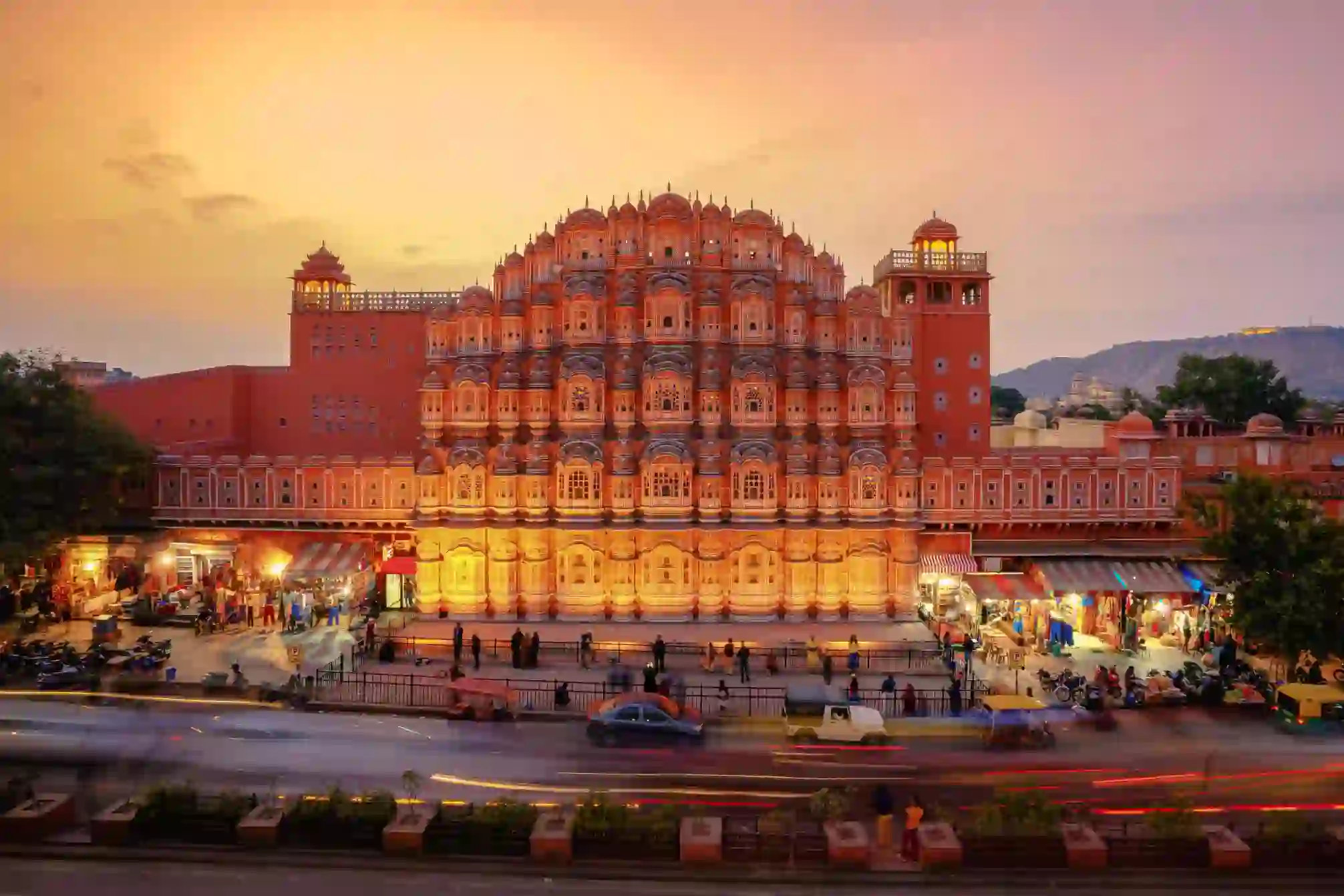
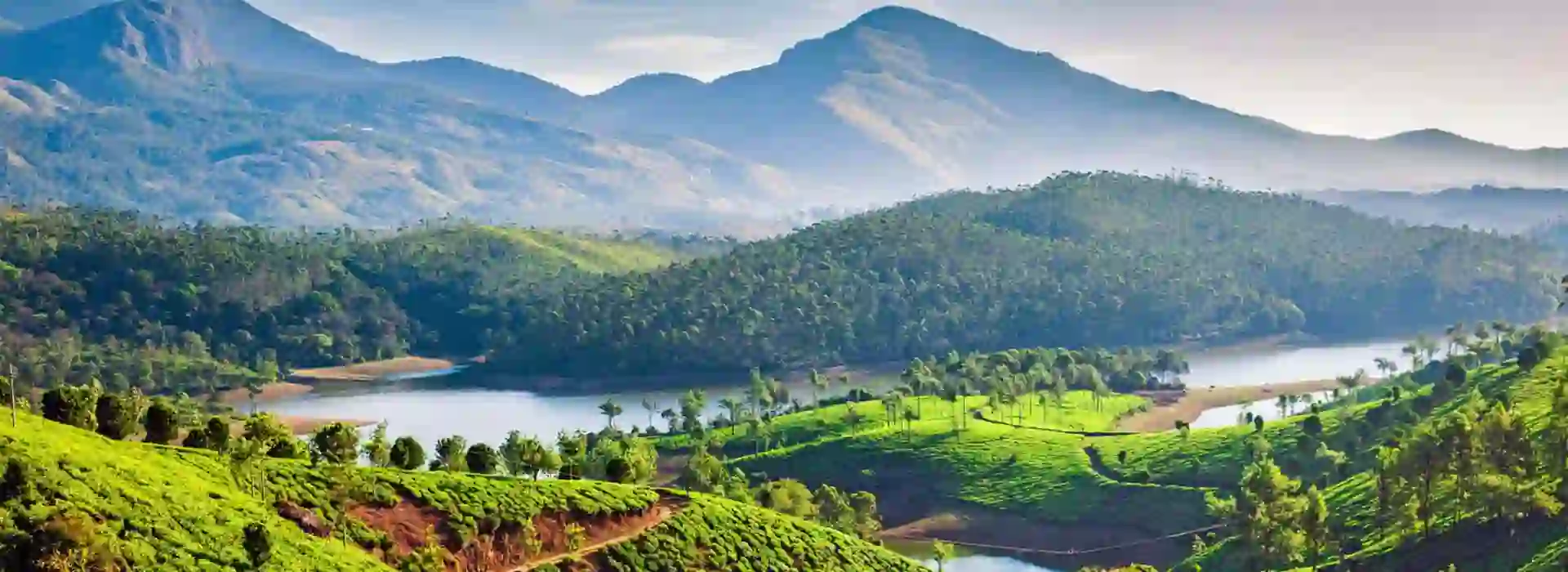
There’s so much to love about India. From its idyllic southern vistas and heritage railways to Delhi and Agra’s bustling street markets, wish-list memories are waiting to be made all over the subcontinent. If you’ve haven’t been before, though, it’s only natural to feel daunted by the prospect of an Indian escape. In celebration of the country’s 77th Republic Day, which took place at the start of January, we’ve been thinking about all things India, and why this fascinating South Asian hotspot should top your travel wish-list 2026.
"For first-time travellers to India, expect a feast for the senses - bright colours, lively streets, and incredible flavours at every turn. Keep an open mind, pace yourself, and don’t worry about the small details - your guides and local support will take care of you, leaving you free to soak up the experience and make unforgettable memories."
Richard Harrington, Head of Product
Why choose India?
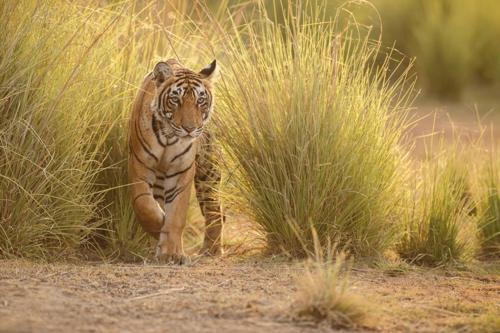
Putting aside the world-famous landmarks for which northern India’s Golden Triangle is known, it’s the sheer variety of the country’s lesser-known areas that makes it such a great choice for a holiday. Whether you’re exploring the serene backwaters of Kerala, soaking up Hindu spirituality in Varanasi, or traversing Madhya Pradesh’s tiger-rich wilderness, there are hundreds of wish-list moments in the tourist hotspots and off the beaten track.
It's not just the sights that vary, either, and it’s just as exciting to encounter the country’s diverse regional cultures and their distinctive cuisines, histories, and customs. Given the Indian subcontinent’s enormous size, it’s hardly surprising that a holiday here is almost like visiting multiple countries at once!
How can you make the most of your time in India
Feeling inspired to explore this magnificent destination for yourself? Before you start planning, we’ve compiled a list of the dos and don’ts which will make your time on the subcontinent as enjoyable and rewarding as possible.
Do – Explore off the beaten path
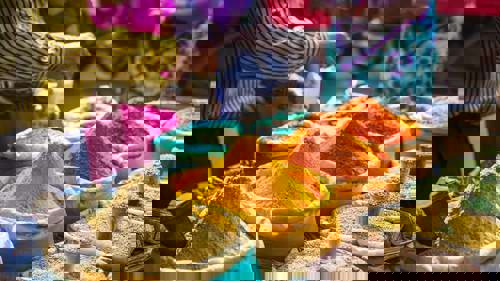
While this is a piece of advice that could be levelled at almost any destination around the world, there’s nowhere more rewarding to dig a little deeper than India. Whether you’re spending some free time wandering through street markets or touring some of the lesser-known landmarks in the country’s small towns, we highly recommend exploring beyond the guidebooks. Take in the city from the back of a rickshaw, witness India’s vibrant spice industries in rural Kerala, and soak up the atmosphere of the country’s various religious and cultural ceremonies.
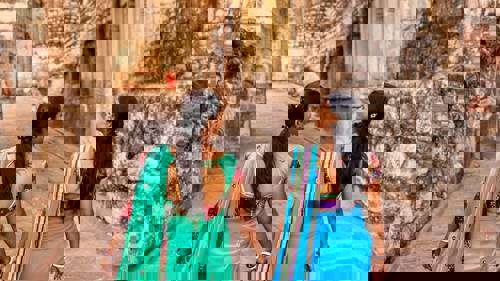
For a more immersive experience in India, it always helps to be aware of smaller social customs that will help you forge positive and lasting relationships with locals. Using your right hand, for instance, is a common practice when eating, touching things in shops, or handling money as the left hand is considered unclean. Other small gestures, such as receiving food with both hands, avoiding showing the soles of your feet, and avoiding photography around potentially sensitive sites, can help make every interaction an enjoyable one!
Don’t – Expect alcohol
While other countries around Asia, Europe and the Americas are known for their drinking cultures and wine regions, a significant number of India’s states are entirely alcohol free. In the south, for instance, you’re more likely to find dry states than the more popular tourist routes in Northern India. With that in mind, while it’s not impossible to find a cocktail of an evening, premises that sell alcoholic drinks in these regions require specific permits, and so your favourite beverages might be a little harder to find.
Do – Try the local cuisine
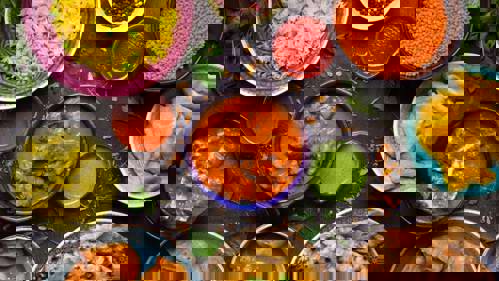
Though you’re unlikely to find many of the dishes you might expect to find at an Indian restaurant back home, local cuisine is more authentic and often more flavoursome. It might seem a little intimidating at first, but the regional flavours you’ll encounter are absolutely worth trying.
While local Indian food has a reputation for its spices, not every dish is especially hot, and there’s bound to be a whole range of fragrant, milder options also on offer. Bear in mind, as well, that meat dishes aren’t as common in India as they are back home, and you’ll be more likely to find an array of vegetarian curries making up the bulk of the meal. In addition to their vibrant flavours, it’s also generally a safer bet to eat veggie while in India, especially if you’re worried about food poisoning.
While street food is another big part of the experience in South Asia, it’s generally safer to steer clear of foods prepared outside of trusted restaurants, particularly when it comes to water-based products, peeled fruits and meat. For the best experience, shop only from trusted local vendors. For a closer look at the different foods you might find in different regions, check out our foodie’s guide to Indian cuisine.
Don’t – Leave planning to the last minute
Having everything in order can make a world of difference when it comes to travelling to India, and doing a few extra hours of research is highly recommended. Taking the time to look up the amenities close to your hotels can be a great way to get a feel for your chosen destination, so you dive right into exploring as soon as you arrive. If you’re likely to need assistance moving around or have limited mobility, it’s also worth considering.
Another thing to be aware of when visiting India is that you’ll likely require a visa. The easiest way to complete these formalities is by applying for an e-tourist visa online, which will cover you for short holidays under 30 days. To avoid any unforeseen difficulties at the border or abroad, it’s helpful to carry hard copies of all important documents, including your visa, with you.
Do – Dress for the occasion
One of the best ways you can set yourself up for success in India comes a long time before boarding your flight, and it’s all to do with the clothes in your suitcase. While the weather varies between the seasons, with temperatures generally reaching their highest from April to June, it’s a good idea to pack good quality, linen clothing to help keep yourself cool and ventilated on each excursion. Other options you might consider to stave off the heat include wide-brimmed hats, sun cream, and a portable fan. Alternatively, if you’re thinking of visiting India between June and September, bringing waterproof clothing is highly recommended as the country’s monsoon season falls around the same time.
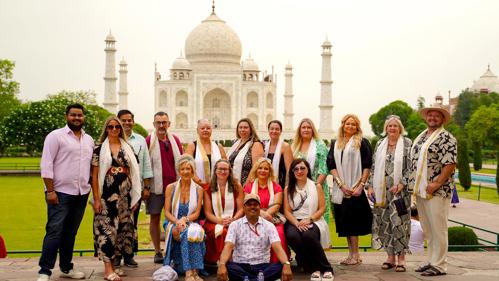
While exploring each destination’s public areas and major landmarks, dressing modestly, with shoulders and legs covered, is a good idea, too, and can go a long way to improving your interactions with the locals. Some temples and sacred sites can even bar entry if visitors aren’t adequately covered, so carrying a loose shawl or scarf with you is a good idea.
If you’re planning to head out on any animal-spotting excursions, safari basics like neutral-toned clothing are essential for getting as close as possible to the native creatures. We’d also highly recommend wearing comfortable and sturdy footwear while on excursions, which you don’t mind getting a little dirty at times.
Don’t – Drink the tap water
As many of India’s inner cities are highly developed and bustling with people, it’s worth taking a few extra steps to keep yourself healthy and protected. A few suitcase essentials, such as hand sanitiser, stomach medication, and insect repellent, can make a world of difference to your overall comfort throughout your trip. One of the most important things you can do to avoid any unpleasant situations, though, is to avoid drinking tap water, ice and raw foods, during your stay, as your body won’t yet have acclimatised to the unfamiliar bacteria. To ensure you have a pleasant and uninterrupted holiday, it’s essential that you only drink and wash your teeth with bottled water.
If it’s your first time travelling to Asia, make sure to consult your local GP for any vaccinations you might need, and consider bringing emergency medication, such as anti-malaria treatments, if you’re at risk.
Introduce yourself to India with Newmarket Holidays
Now that you have a better idea of how to make the most of your next Indian holiday, why not explore in comfort and style on one of our award-winning escorted tours? Accompanied by an expert local tour manager, who will show you the best spots beyond the guidebooks, and with all the planning taken care of, there’s no better way to experience India.
Give one of our et the ball rolling by calling one of our friendly holiday planners? They’ll be on hand to help you choose the best tour for you and answer any remaining questions you have on travel to South Asia. If you’ve got your eye on somewhere else, you can find our full range of escorted tours on our dedicated destinations page.