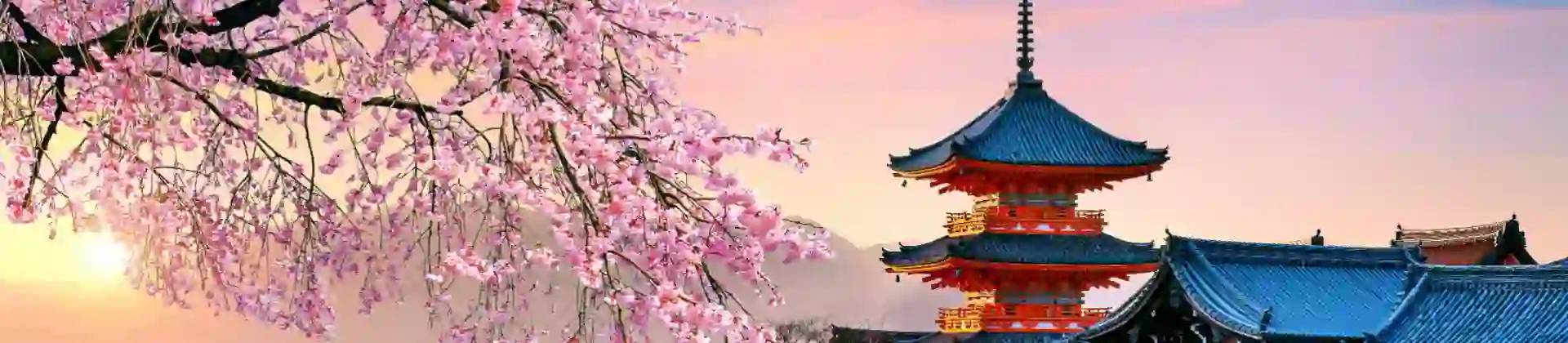
Japan Travel Guide
Discover Japan’s perfect blend of ancient tradition, modern culture, and unforgettable experiences
From Tokyo’s buzzing energy to Kyoto’s timeless elegance, every corner of Japan has its own story, and it can be difficult to know where to begin. One moment you’re surrounded by the neon chaos of Shibuya Crossing, the next you’re walking through a moss-covered temple garden in Kyoto, listening to nothing but the rustle of bamboo leaves.
With so much to see and do, planning a trip can feel overwhelming – especially if it’s your first time. Fortunately, our escorted tours take care of the logistics so you can focus on what really matters: soaking up the food, culture, and unforgettable experiences that make Japan so special.
Discover the best of Japan stress-free with Newmarket Holidays escorted tours.
Places to visit in Japan
Japan offers an incredible range of experiences, from the energy of neon-lit capitals to the quiet of temple gardens. Below are some of the country’s most talked about highlights. Many of these are featured in Newmarket Holidays’ escorted tours, giving you the chance to enjoy them with expert guidance.
| Region / City | Pros | Cons |
|---|---|---|
| Tokyo | Endless variety of attractions: historic temples, futuristic districts, world-class shopping, excellent transport links | Can be overwhelming for first-timers with intense crowds during peak season |
| Kyoto | Full of culture, temples, gardens, geisha districts, traditional tea houses, etc. | Many of these sites can be busy and there are fewer late-night attractions |
| Osaka | Energetic food scene, nightlife, gateway to Nara & Kobe | Less “traditional Japan” feel; fewer world-heritage sites |
| Hiroshima | Deep historical significance, Peace Memorial, access to Miyajima | Smaller inventory of attractions vs Tokyo/Kyoto |
| Beppu | The onsen (hot spring) capital and home to the ‘hells’ (jigoku) – seven spectacular hot springs for viewing rather than bathing | Fewer temples and museums |
| Nara | Historic temples, deer park, compact and walkable | Less variety of nightlife or modern urban feel |
| Hokkaidō (region) | Great for nature, national parks, skiing (in winter) | Long travel times; seasonal weather extremes |
| Hakone / Fuji area | Scenic mountain views, lakes, hot springs, close to Tokyo | Some weather dependence; rural amenities |
For more detail, explore our ultimate guide for the best places to visit in Japan.
Top things to do in Japan
Japan offers an incredible range of experiences, from the energy of neon-lit capitals to the quiet of temple gardens. Below are some of the country’s most talked about highlights. Many of these are featured in Newmarket Holidays’ escorted tours, giving you the chance to enjoy them with expert guidance.

Things to do in Tokyo
- Shibuya Crossing - cross at the world’s busiest pedestrian crossing (or watch from a distance).
- Harajuku - colourful fashion boutiques and crepe stands.
- Senso-ji Temple - step back into Tokyo’s Edo-era charm.
- Meiji Shrine - a quiet oasis near Shinjuku and Shibuya’s neon buzz.
Things to do in Kyoto
- Fushimi Inari Shrine – thousands of vermilion torii gates climbing into the wooded hillside.
- Geisha Districts – lantern-lit streets, maybe glimpse a geisha or enjoy an evening tea house.
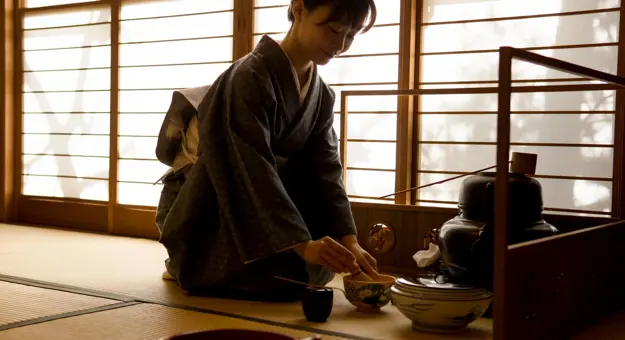
- Traditional tea ceremony – the simple task of preparing a drink for a guest turned into an art, with the ceremonial preparation and presentation of matcha (powdered green tea).

Things to do in Hiroshima & Miyajima
- Peace Memorial Park & Museum – Japan’s wartime history and the A-bomb Dome.
- Miyajima Island – Itsukushima Shrine, with its world-famous floating torii gate.
Things to do in Osaka
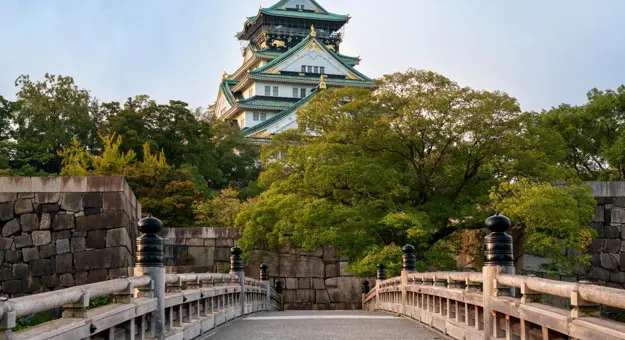
- Street food & nightlife – taste Osaka classics like takoyaki (octopus balls) and okonomiyaki (savoury pancakes).
- Markets & arcades – covered arcades (shōtengai) are full of vendors selling local items.
Things to do in Mount Fuji & Hakone
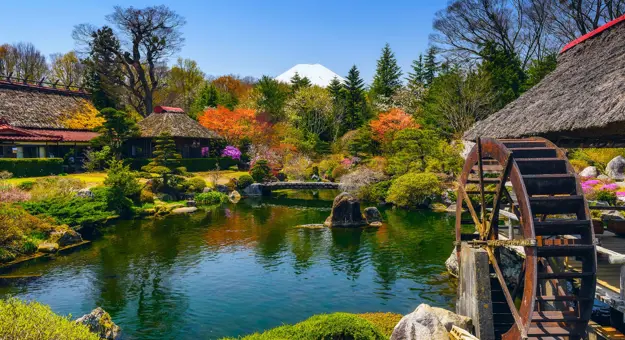
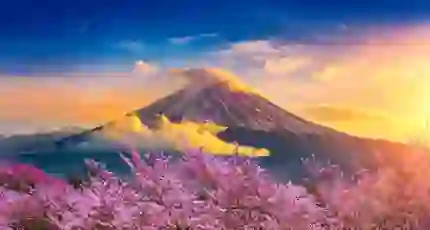
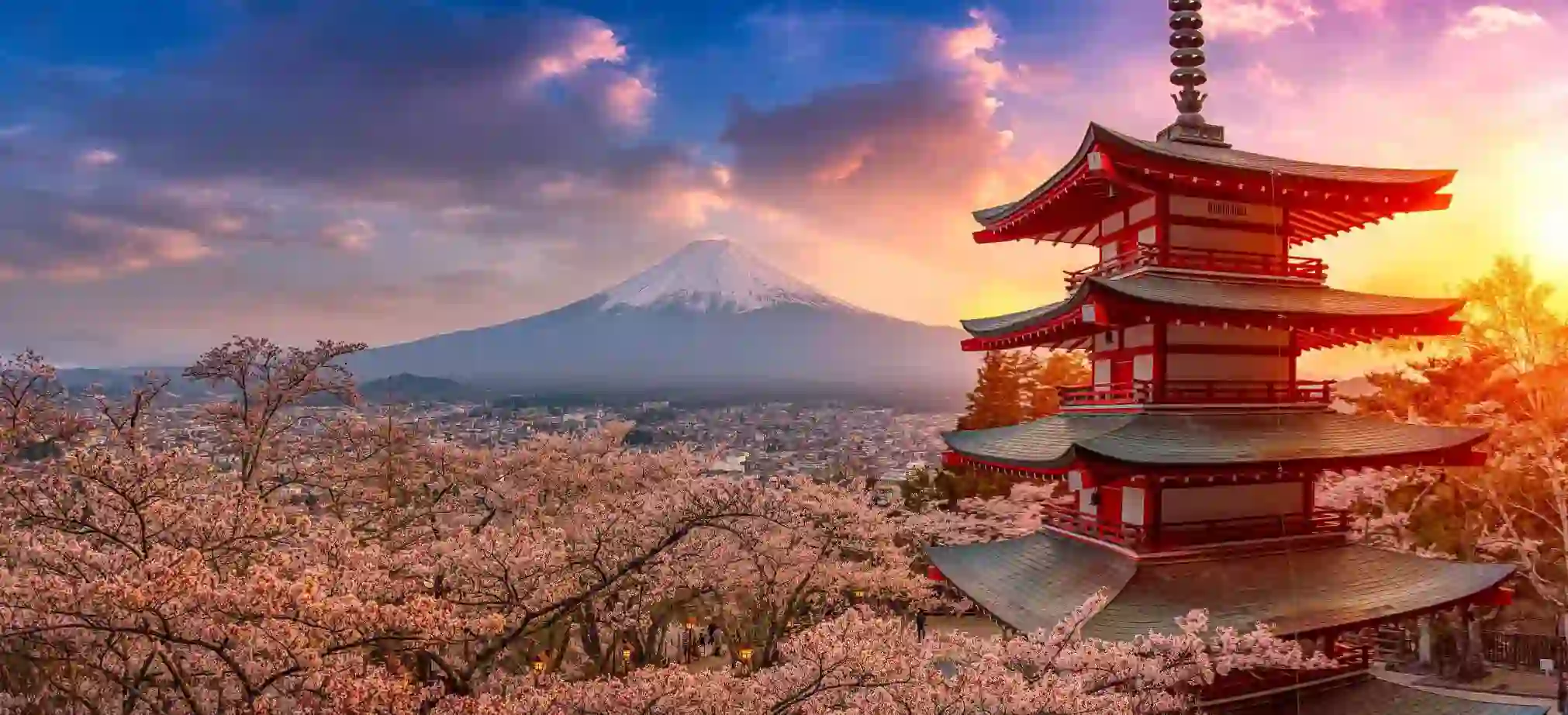
- Mount Fuji viewpoints – stop at Lake Kawaguchi and Oshino Hakkai, perfect for photography.
- Lake Ashi Cruise & Hakone Ropeway – the ropeway, boat rides and cable cars offer panoramic Fuji views.
- Onsen experience – time for bathing or visiting the seven geothermal ‘hells’ - seven spectacular hot springs that are intended for viewing rather than bathing.
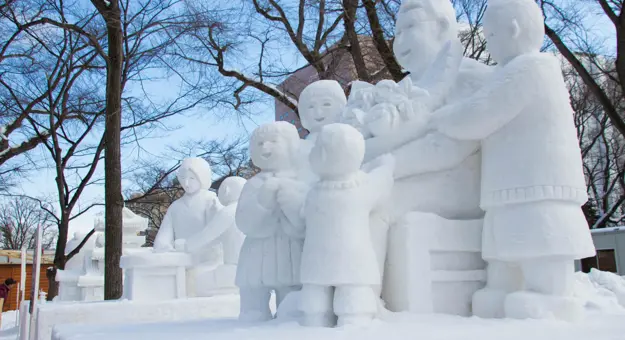
Things to do in Hokkaido
- Nature & skiing – summer for flower fields and hiking, or winter for snow festivals and world-class powder.
- Sapporo – beer, ramen, and February’s Sapporo Snow Festival, where giant ice sculptures transform the city.
Our top Japan tours

- Partake in a traditional Japanese tea ceremony, an ancient and spiritual practice
- Journey to the sacred eight natural springs and traditional thatched houses of Oshino and Lake Kawaguchi
- Immerse yourself in the energy of Japan’s electrifying capital, Tokyo, on a guided tour
- Flights included
16 days from £4,944 pp
was £6,179 pp
Dates Available
May 2026 - November 2028
Duration
16 days
Depart From
5 airports
Excursions & Visits
11 included
Meals
16 included
- Immerse yourself in the energy of Japan’s electrifying capital with excursions to Tokyo Skytree and Shibuya
- Ride a bullet train to Kyoto and uncover its medieval landmarks and Geisha district
- Explore Kyushu’s historic craft industries with guided tours of Fukuoka, Dazaifu and an Imari pottery factory
- Flights included
16 days from £5,389 pp
was £6,339 pp
Dates Available
October 2026 - November 2027
Duration
16 days
Depart From
2 airports
Excursions & Visits
16 included
Meals
17 included

- Immerse yourself in the energy of Japan’s electrifying capital with excursions to Tokyo Skytree and Shibuya
- Ride a bullet train to Kyoto and uncover its medieval landmarks and Geisha district
- Visit coastal Busan’s historic landmarks, from Gamcheon Culture Village and Jagalchi Market to Busan Tower and BIFF Square
- Flights included
22 days from £7,637 pp
was £8,984 pp
Dates Available
October 2026 - October 2027
Duration
22 days
Depart From
1 airport
Excursions & Visits
22 included
Meals
23 included
History of Japan
Japan’s past is long and layered but can be sketched in key arcs:
- Ancient & Shinto / Buddhist era: Indigenous Shinto beliefs interweaved with Buddhism (introduced in 6th century). Many shrines and temples originate from this age.
- Feudal Japan & Samurai: From the Heian period through Kamakura and Muromachi, real power lay with shoguns and samurai clans. Castles and warrior codes stem from this era.
- Meiji Restoration (1868 onward): Japan opened to the West, rapid industrialisation, end of shogunate, modernisation and centralisation.
- 20th century & post-war: Militarism, war, then post-1945 reconstruction, the “Economic Miracle,” rapid urbanisation, and a technological boom.
You still see echoes of each era nestled side by side in modern day Japan - from Edo-period districts to Meiji architecture to ultra-modern skyscrapers.
Culture and tradition in Japan
Japanese etiquette and tradition run deep but are accessible to visitors.
Key points of Japanese etiquette:
- Bowing: Common greeting and sign of respect (deeper bow = more formal).
- Shoes off indoors: At homes, schools, ryokan, temples, and even some restaurants. Be ready with socks.
- Onsen etiquette: Wash before entering - making sure to rinse off any soap and shampoos thoroughly, no tattoos (in many baths), quiet and modest behavior.
- Respectful behaviour: Queuing, lowered voices, no eating while walking in many places.
Food & drink in Japan
Japanese food isn’t just about flavour - though there’s plenty of that - it’s about balance, tradition, and an appreciation for the seasons. Meals are shaped by shokuiku (食育), a national philosophy of food education that encourages eating with awareness: thinking about where ingredients come from, how they’re prepared, and how they nourish the body.
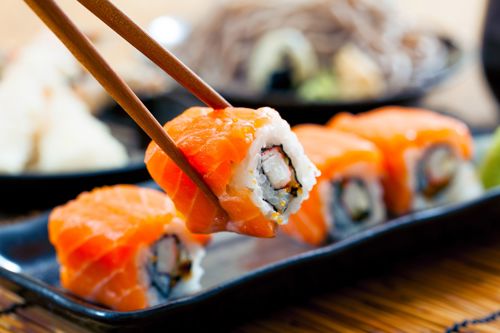
Sushi and sashimi might be the dishes most people think of first, with paper-thin slices of fish resting on perfectly seasoned rice. But there’s so much more to discover:
- In Hokkaido, you’ll find steaming bowls of miso ramen topped with sweetcorn and butter to warm you through icy winters.
- Tokyo is home to delicate, golden tempura, fried so lightly it almost seems to float on the plate.
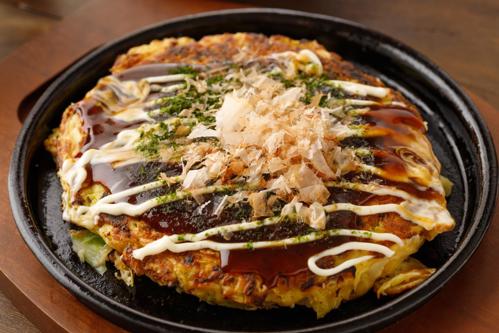
- Osaka is famous for its street food - takoyaki (octopus balls) sizzling on hot griddles and okonomiyaki, a savoury pancake you can customise to your taste.
Drinks are just as important. A cup of matcha, whisked to a vibrant green froth, is part of a centuries-old ritual, sake flows freely during celebrations, and crisp Japanese lagers are perfect for a casual evening meal.
What ties it all together is shun (旬) - the idea of eating food at its very best, in season. It’s an experience you’ll carry with you long after the last bite.
For more detail, explore our ultimate guide to food and drink in Japan.
Getting around Japan
Japan is known for its punctual, clean, and highly efficient transport systems, making it one of the easiest destinations to navigate once you know a few essentials.
Shinkansen (bullet trains)
Japan’s famous bullet trains connect Tokyo with cities like Kyoto, Osaka, and Hiroshima at speeds of up to 320 km/h. They are fast, quiet, and comfortable, with food trolleys and spacious seating. Find out more information and purchase tickets on the JR East website or at ticket counters.
Rail passes
The nationwide Japan Rail Pass can be cost-effective for longer trips, but regional passes (such as the Kansai-Hiroshima Pass or Hokkaido Rail Pass) may be better value if you’re exploring one area. Full details are on the official JR Pass site.
IC Cards (Suica, Pasmo, Icoca)
Available from ticket vending machines and ticket counters at train stations, airports, and convenience stores across Japan, these reusable smart cards save time and are valid on most urban trains, buses, and even in convenience stores.
Taxis and ride-hailing
Like in many countries, taxi fares are high compared to public transport. Uber and JapanTaxi apps are available in major cities but are limited. However, in rural areas, taxis may be the only option late at night.
Step-free & accessible travel
Big stations in Tokyo, Osaka, and Kyoto are generally equipped with elevators, tactile paving, and accessible toilets. However, smaller or rural stations may still have steps. If accessibility is a concern, the Accessible Japan guide is a helpful resource.
Tips and tricks for travellers
- Download HyperDia or Google Maps: Both provide live train schedules. Japan’s network is vast, so apps help avoid confusion.
- Keep small change: Some buses still only accept coins.
- Stand left, walk right: In Tokyo, stand on the left side of escalators; in Osaka, it’s the reverse.
- Plan around rush hour: Trains are packed from 7:30–9:30 am and 5–7 pm. If possible, travel outside these windows for comfort.
- Seat reservations: While many trains allow non-reserved seating, reserving during peak seasons (cherry blossom in April, Golden Week in May, Obon in August) guarantees peace of mind.
Useful travel phrases for getting around Japan
The Japanese language can be romanised (romaji) but the pronunciation of the syllable combinations does not always match the way we would pronounce them in English. This guide includes the Romaji in bold, a romanised pronunciation guide in italics, the phrase in written Japanese, and the English translation.
Where is the station?
Eki wa doko desu ka? (Eh-kee wah doh-koh dess kah?) / 駅はどこですか
Does this train go to ___?
Kono densha wa ___ e ikimasu ka? (Koh-noh den-shah wah ___ eh ee-kee-mahss kah?) / この電車は___へ行きますか
Which platform is it?
Nanban hōmu desu ka? (Nahn-bahn hoh-moo dess kah?) / 何番ホームですか
How much is it?
Ikura desu ka? (Ee-koo-rah dess kah?) / いくらですか
A ticket, please.
Kippu o kudasai. (Kip-poo oh koo-dah-sigh) / 切符をください
Can I sit here?
Koko ni suwatte mo ii desu ka? (Ko-ko nee soo-waht-teh moh ee dess kah?) / ここに座ってもいいですか?
(Use this if you’re unsure whether a seat is free or reserved. Polite and easily understood on trains, buses, or in public seating areas.)
Where is the bus stop?
Basutei wa doko desu ka? (Bah-soo-tay wah doh-koh dess kah?) / バス停はどこですか
Please show me your ticket.
Jōsha ken o misete kudasai. (Joh-shah ken oh mee-seh-teh koo-dah-sigh) / 乗車券を見せてください
(Likely to hear from a conductor.)
Tip: Even if you can’t remember the whole phrase, saying the key word (eki, basu, ikura) with a polite sumimasen (すみません, “excuse me”) will usually get you help.
When to visit Japan
Japan has four distinct seasons. Weather and optimal travel windows vary by region (Hokkaido in the north, Okinawa in the south).
Below is a Tokyo-region monthly guide (as a representative baseline).
| Month | Avg High / Low (°C) | Notes for Travellers |
|---|---|---|
| January | 10 / 0 | Cold winter. Good for snow in the north, quiet in cities. |
| February | 10 / 1 | Still cold; Sapporo Snow Festival in Hokkaido. |
| March | 13 / 4 | Warmer. Cherry blossoms begin in southern areas. |
| April | 19 / 9 | Mild. Peak cherry blossom season. |
| May | 23 / 14 | Pleasant, but busy (Golden Week). |
| June | 25 / 18 | Start of rainy season (梅雨, tsuyu). |
| July | 29 / 22 | Hot, humid. Festivals and fireworks. |
| August | 31 / 24 | Hottest month. Obon holiday crowds. |
| September | 27 / 20 | Typhoon risk, still humid. |
| October | 21 / 14 | Comfortable, autumn colours begin. |
| November | 17 / 8 | Crisp, clear, beautiful foliage. |
| December | 12 / 3 | Chilly. Illuminations, winter mood. |
What is the best time to visit Japan?
Spring (March–April) and autumn (October–November) are ideal for mild weather, blossoms or foliage, and lower risk of storms. For more information, see our comprehensive guide on the best time to visit Japan.
What are the best sightseeing seasons?
April–May and October–November.
Is Japan hot year-round?
No. Summers are hot & humid; winters are cold, especially in northern or mountainous regions.
When is best for walking tours?
Best in spring/autumn. Summer heat and winter cold can be challenging.
Are there many rains and storms in Japan?
The rainy season runs June–mid July. Typhoons possible August–September.
What are some rainy day activities?
Museums, aquariums, covered markets, themed cafés, indoor cultural workshops.
When are the quieter travel windows?
Late February, November, or early May (outside Golden Week) are less crowded.
For more detail, explore our ultimate guide to the best time to visit Japan.
Events in Japan
- Spring: Cherry blossom (sakura) festivals across the country.
- Summer: Gion Matsuri (Kyoto, July), fireworks (hanabi) shows, Obon holiday (mid-August).
- Autumn: Momiji (autumn leaf) viewing events in temple gardens, parks.
- Winter: Sapporo Snow Festival (Feb), city illuminations in Tokyo, Osaka, Kobe.
- Golden Week (late April–early May): One of Japan’s busiest travel periods — expect crowds and price surges.
- New Year (late December–early January): Many businesses close; temple visits and shrine visits are common.
Essential info for Japan
Japan’s Currency
The currency in Japan is widely known as Japanese Yen (¥); however, Japanese speakers refer to it as en (円).
Credit cards are accepted in many places, but cash remains king in smaller shops, rural areas, and temples.
Tipping in Japan
Tipping is not customary in Japan and can actually be seen as rude or insulting — as if you are implying that the staff are not paid enough.
Outstanding service is expected as standard, not rewarded by tip, but a simple thank you can go a long way in any country.
Plugs in Japan
Japan uses two main plug types: Type A and Type B.
Type A has two flat, parallel pins, while Type B has the same two pins plus a grounding pin. The country’s electrical system runs on 100 volts with a frequency of 50/60 Hz, so check whether your devices are compatible before you travel or purchase an appropriate travel adaptor.
Safety in Japan
Japan is rated among the safest countries, but there are still some potential dangers for travellers to be aware of — such as earthquakes and typhoons.
While falling victim to petty crime during your stay is quite unlikely, there are small police boxes dotted throughout Japanese neighbourhoods called Koban (交番). Your embassy is also a useful point of contact in case of any emergencies.
Emergency numbers:
- 110 (police)
- 119 (fire/ambulance)
For more safety information, please see the UK Government's foreign travel advice for Japan.
Useful phrases in Japan
Hello
Good morning: Ohayou gozaimasu (Oh-ha-yo goh-zai-mahss) / おはようございます
Good afternoon: Konnichiwa (Kon-nee-chee-wah) / こんにちは
Good evening: Konbanwa (Kon-bahn-wah) / こんばんは
Good night: Oyasuminasai (Oh-yah-soo-mee-nah-sigh) / おやすみなさい
Thank you
Arigatou gozaimasu (Ah-ree-gah-toh goh-zai-mahss) / ありがとうございます
Excuse me / Sorry
Sumimasen (Soo-mee-mah-sen) / すみません
Yes
Hai (High) / はい
No
Iie (Ee-eh) / いいえ
How much is it?
Ikura desu ka? (Ee-koo-rah dess kah?) / いくらですか?
Where is ___?
___ wa doko desu ka? (___ wah doh-koh dess kah?) / ___はどこですか?
FAQs
Discover our blog

Staff stories: Lifting the lid on Japan with Sophie
We sat down with our Digital Marketing Manager, Sophie, to chat about her most recent trip to Japan and her top five spots to visit when in the ‘Land of the Rising Sun’.
Top five destinations for 2025
Rediscover your wanderlust and live your travel dreams in 2025 with a trip to one of these unforgettable locations.
Six wish-list destinations we love
Ignite your passion for travel with some of our team’s most beloved destinations.