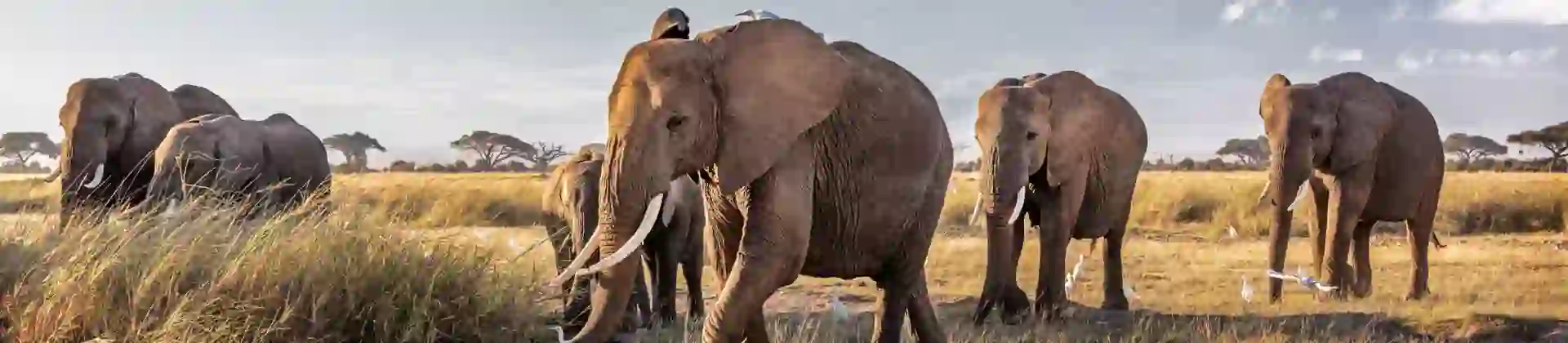
Kenya Travel Guide
Explore Kenya's wildlife-rich landscapes, coastal beauty and rich culture
Kenya: our destination guide
Kenya is one of Africa’s most rewarding destinations, combining world-famous safari experiences with striking landscapes, rich cultures and a warm coastal fringe. From the sweeping savannahs of the Maasai Mara to flamingo-lined lakes, elephant herds beneath snow-capped peaks and vibrant cities that blend tradition with modern life, Kenya offers variety in every sense.
It’s a country where wildlife encounters feel deeply immersive, yet travel remains reassuringly well supported, especially on escorted tours. Whether you’re drawn by the chance to see the Big Five, curious to explore local cultures, or keen to balance safari adventure with rest and relaxation, Kenya delivers memorable experiences at every turn.
Kenya highlights at a glance
- Maasai Mara National Reserve: Witness the Great Migration and classic Big Five safaris.
- Mount Kenya: Africa’s second-highest mountain, surrounded by forests and wildlife.
- Nairobi National Park: A rare safari experience just outside a capital city.
- Diani Beach: White sands and turquoise waters on Kenya’s Indian Ocean coast.
- Lamu Island: A window into Swahili heritage, with historic architecture and a slower pace of life.
Discover the best Kenya has to offer stress-free with Newmarket Holidays escorted tours.
Places to visit in Kenya
Kenya’s appeal lies in its diversity. Wildlife reserves, lakes, cities and coastline each offer a distinct experience, making it easy to combine several regions in one carefully planned journey.
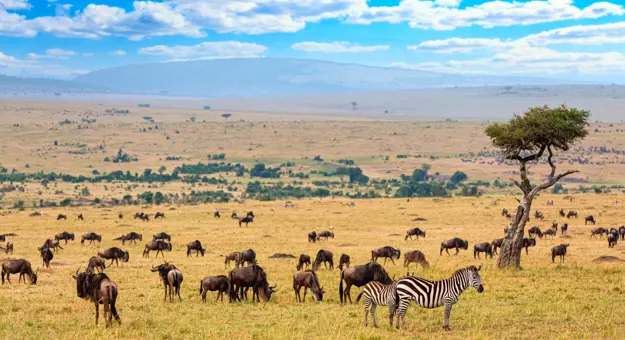
Maasai Mara National Reserve
Best for: Iconic safaris, wildlife photography
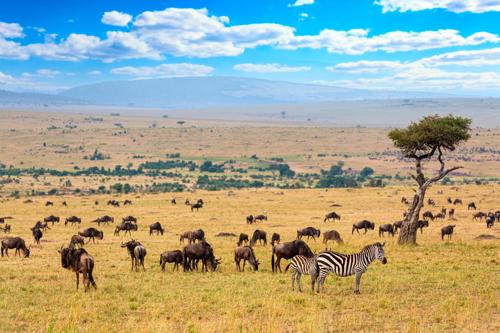
One of Africa’s most celebrated safari destinations, the Maasai Mara is home to a wide range of wildlife including lions, elephants, buffalo, leopards and rhinos. Between July and October, vast herds of wildebeest and zebra cross the Mara River during the Great Migration, creating one of nature’s most dramatic spectacles. Game drives here are a highlight of many Newmarket Holidays Kenya tours.
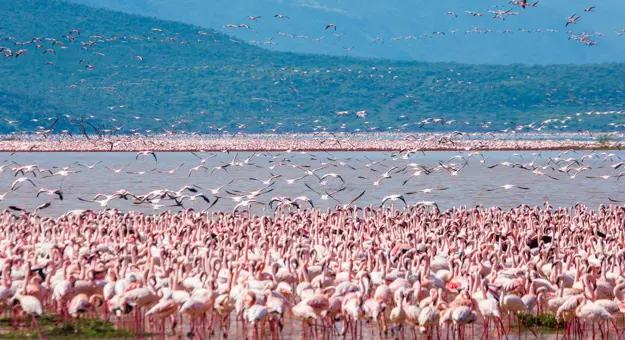
Lake Nakuru National Park
Best for: Birdwatching, scenic landscapes
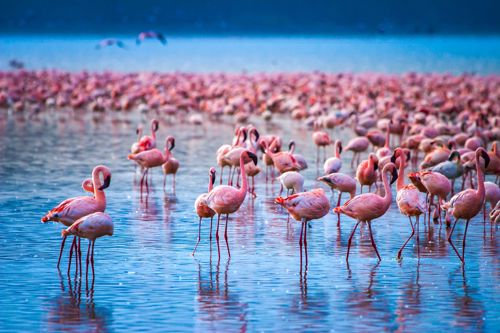
Set within the Great Rift Valley, Lake Nakuru is known for its flamingos, which often line the shores in vivid pink hues. The park is also an important wildlife sanctuary for black and white rhinos, along with giraffes and numerous antelope species. With over 450 bird species recorded, it’s a rewarding stop for nature lovers.
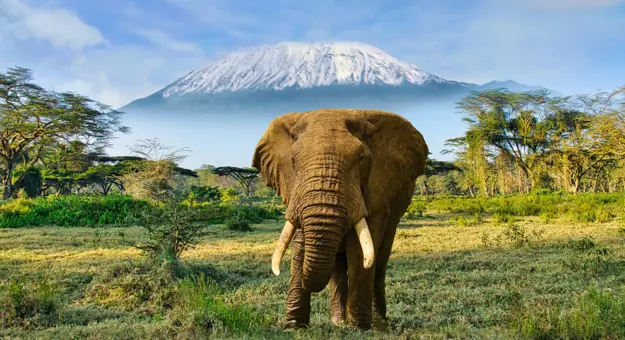
Amboseli National Park
Best for: Elephants, mountain views
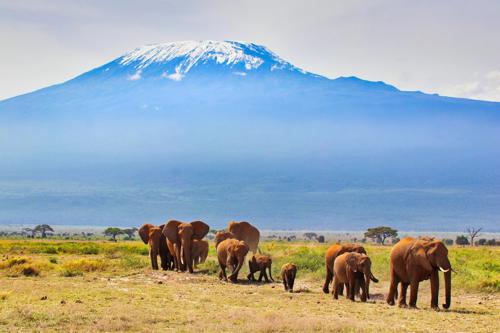
Amboseli is famous for its large elephant herds and sweeping views of Mount Kilimanjaro rising across the border in Tanzania. The open plains and swamps make wildlife easy to spot, while the scenery offers a striking contrast to greener reserves.
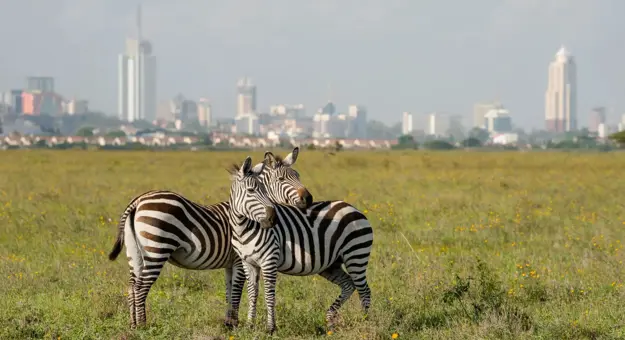
Nairobi City & surroundings
Best for: Culture, easy wildlife access
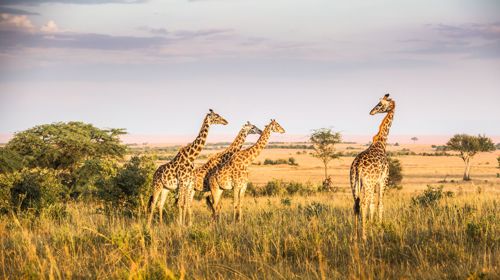
Kenya’s capital is often the starting and finishing point for escorted tours. Nairobi combines markets, museums and dining with nearby wildlife experiences, including Nairobi National Park and the Giraffe Centre. It’s an accessible introduction to Kenya’s conservation story without long travel times.
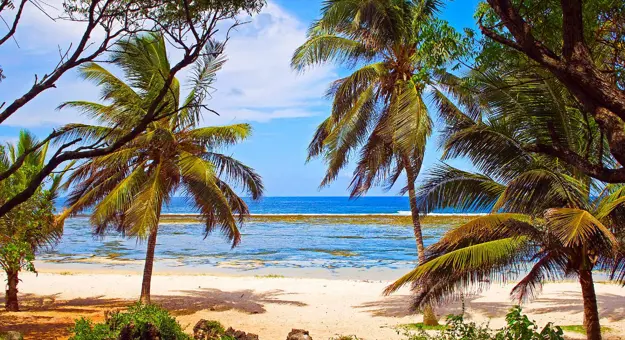
Mombasa & the coast
Best for: Relaxation, beach extensions
Mombasa offers powder-white sand, warm seas and a laid-back atmosphere. It’s an ideal way to unwind after safari adventures or to add a coastal element to a longer tour.
Our most popular Kenya holidays
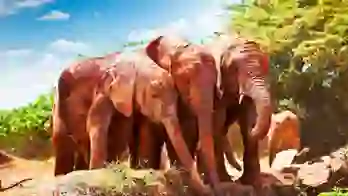
- Discover vast Tsavo West National Park, with its savannah and scrubland, on included game drives
- Stay in a safari camp and enjoy three game drives in historic Tsavo East National Park, home to herds of African elephants
- Blue waters and even bluer skies
- Flights included
13 days from £3,148 pp
was £3,935 pp
Dates Available
May 2026 - November 2028
Duration
13 days
Depart From
2 airports
Excursions & Visits
7 included
Meals
36 included
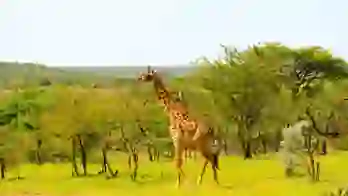
- Six game drives in search of the Big Five including in the Maasai Mara
- Journey through the Rift Valley to renowned Lake Nakuru National Park - a giraffe and rhino sanctuary
- A visit to a Maasai village
- Flights included
13 days from £4,225 pp
was £4,970 pp
Dates Available
July 2026 - November 2027
Duration
13 days
Depart From
1 airport
Excursions & Visits
9 included
Meals
31 included

- Experience a full day exploring the wonders of Tsavo West National Park, with morning and afternoon game drives
- Witness Africa's highest mountain and a dormant volcano, towering Mount Kilimanjaro
- Set off on morning and afternoon game drives through Amboseli National Park, keeping your eyes peeled for the majestic elephant herds
- Flights included
10 days from £2,980 pp
was £3,725 pp
Dates Available
May 2026 - October 2027
Duration
10 days
Depart From
1 airport
Excursions & Visits
6 included
Meals
24 included
Top things to do in Kenya
Many of Kenya’s most rewarding experiences are included within Newmarket Holidays escorted tours. Others may be available during leisure time, depending on your itinerary. Always check individual tour details for what’s included, and how much leisure time will be available to you.
Go on safari in the Maasai Mara National Reserve
A classic Kenyan safari experience in one of Africa’s most celebrated wildlife reserves. Expect game drives across open savannahs, with opportunities to see the Big Five and, in season, the Great Migration of wildebeest and zebra.
Time needed: Typically half-day or full-day game drives; most tours include multiple drives over one to three days.
Accessibility: Game drives take place in safari vehicles and are suitable for most travellers with reasonable mobility. Terrain can be uneven, and vehicles are not usually wheelchair accessible.
Visit Lake Nakuru National Park — flamingos & rhinos by the lake
Set in the Great Rift Valley, Lake Nakuru is known for its birdlife, including flamingos, and as a sanctuary for black and white rhinos. The compact size of the park allows for rewarding wildlife viewing in a relatively short time.
Time needed: Half day to one full day.
Accessibility: Wildlife viewing is vehicle-based. Viewing points may involve short walks on uneven ground.
 |
 |
Explore Amboseli National Park with views of Mount Kilimanjaro
Renowned for large elephant herds and far-reaching views of Mount Kilimanjaro on clear days. The park’s open plains make wildlife easy to spot and photography particularly rewarding.
Time needed: One to two days, with morning and afternoon game drives.
Accessibility: Primarily vehicle-based safaris. Ground conditions can be dusty or uneven.
Go wildlife-spotting around Nairobi
Nairobi offers rare access to wildlife close to a major city. Nairobi National Park and conservation centres such as the Giraffe Centre provide insight into Kenya’s conservation efforts without long travel times.
Time needed: Two to four hours.
Accessibility: Generally accessible, with paved paths at key sites. Some walking may be required.
 |
 |
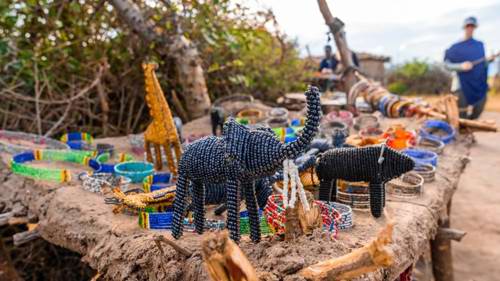
Experience a cultural visit to a Maasai village
Cultural visits offer insight into Maasai traditions, daily life, beadwork and community values, adding depth to the safari experience beyond wildlife viewing.
Time needed: Around one to two hours.
Accessibility: Villages are often on natural terrain with limited step-free access. Standing and short walks are usually required
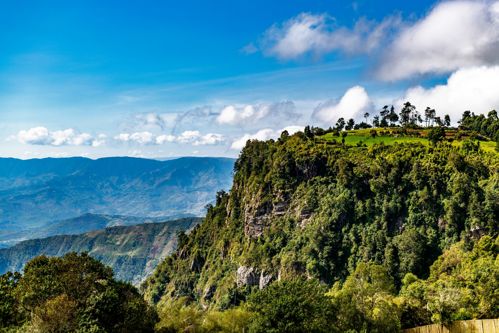
Take scenic drives through the Great Rift Valley
Travelling through the Great Rift Valley reveals dramatic escarpments, lakes and changing landscapes, highlighting Kenya’s geological and ecological diversity.
Time needed: Variable; typically several hours as part of a transfer day.
Accessibility: Fully vehicle-based, making it suitable for most travellers.
 |
 |
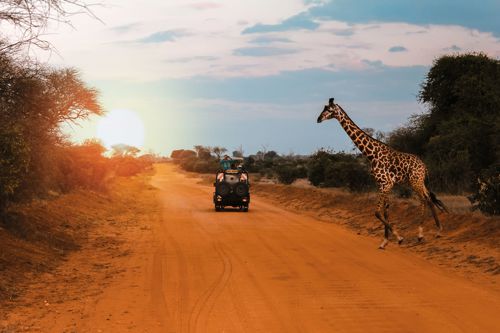
Enjoy sunrise and sunset safaris
Early morning and late afternoon drives coincide with peak wildlife activity. The softer light enhances visibility and photography, making these drives a highlight of many tours.
Time needed: Approximately two to three hours per drive.
Accessibility: Vehicle-based, with the same considerations as standard game drives.
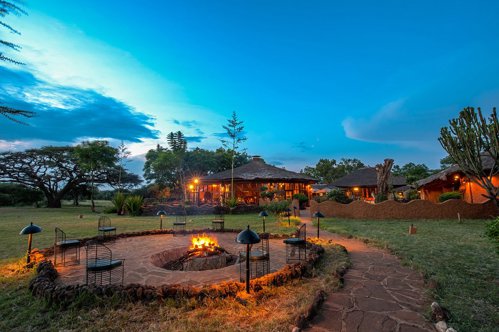
Relax at safari lodges and camps
Rest periods between activities allow time to enjoy lodge surroundings, watch wildlife from viewing decks, and reflect on the day’s sightings — an important part of a balanced safari experience.
Time needed: Flexible; built into tour itineraries.
Accessibility: Facilities vary by lodge. Many offer ground-floor rooms, though pathways may be uneven.
 |
 |
Food & drink in Kenya
Kenyan food is shaped by geography, local produce and centuries of cultural exchange. Meals are typically hearty and satisfying, built around grilled meats, fresh vegetables and simple staples, with stronger spice influences along the coast. On escorted tours, most meals are included, giving you the chance to sample regional dishes in a relaxed, familiar setting.
Central Kenya & the Rift Valley
This region forms the heartland of traditional Kenyan cuisine, with filling dishes designed to sustain farming and pastoral communities.
- Nyama choma: Charcoal-grilled meat, usually goat or beef, served simply and enjoyed as a social meal.
- Ugali: A firm maize-based staple, often paired with meat stews or vegetables.
- Sukuma wiki: Sautéed leafy greens, commonly served as a side dish.
Coastal Kenya
Along the Indian Ocean, Kenyan cuisine takes on clear Swahili, Arab and Indian influences, with lighter dishes and aromatic spices.
- Swahili curries: Coconut-based fish or chicken curries gently spiced with cardamom, cloves and cinnamon.
- Fresh seafood: Grilled fish, prawns and calamari, often served with rice or chapati.
- Pilau: Fragrant spiced rice, especially popular in coastal towns.
Across the country
Some foods and drinks are enjoyed nationwide and are part of everyday Kenyan life.
- Kenyan tea: Strong, milky and widely regarded as some of the best in the world.
- Kenyan coffee: Grown in the highlands and known for its rich, full flavour.
- Chapati: A soft flatbread, reflecting Indian influence and commonly served with stews.
For most travellers, escorted tours provide an ideal introduction to Kenyan food — balanced, approachable meals that showcase local flavours without being overwhelming.
Getting around Kenya
International flights from the UK typically arrive in Nairobi.
On escorted tours, airport transfers and internal transport are arranged for you, reducing the need to navigate local systems independently. In cities, taxis are widely used, while public transport exists but is not generally recommended for visitors.
Many lodges and attractions are accustomed to guests with limited mobility, though terrain in national parks can be uneven, so it’s advisable to discuss accessibility needs before booking.
The best time to visit Kenya
Kenya enjoys a generally warm climate year-round, with regional variations influenced by altitude and rainfall.
Month-by-month weather guide
| Month | Avg High / Low (°C) | Notes for Travellers |
|---|---|---|
| January | 25°C–30°C | Dry, sunny, and warm across most regions; ideal for safaris. |
| February | 25°C–30°C | Hot and dry, with temperatures rising in the interior regions. Perfect for beach holidays. |
| March | 25°C–30°C | Warm, with increasing chances of rain towards the end of the month as the long rains begin. |
| April | 22°C–27°C | The start of the long rains; expect frequent heavy showers, particularly in coastal areas and central Kenya. |
| May | 21°C–26°C | Wet and cooler, with rainfall peaking in many regions. Not ideal for safaris but perfect for fewer crowds and lush landscapes. |
| June | 20°C–25°C | Dry and cooler, especially in the highlands. A good time for safaris and outdoor activities. |
| July | 19°C–24°C | Cool and dry, with pleasant weather for safaris. Ideal for wildlife viewing, particularly in the Maasai Mara. |
| August | 19°C–24°C | Dry and mild, with ideal conditions for safaris. A popular time for visiting Kenya, especially for the Great Migration in Maasai Mara. |
| September | 20°C–28°C | Warm, dry, and sunny, perfect for safaris and beach vacations. The end of the Great Migration in Maasai Mara. |
| October | 22°C–28°C | Warm and dry, although some regions may start to see light rains towards the end of the month. Great for wildlife viewing and coastal retreats. |
| November | 22°C–27°C | The short rains start to fall in some regions, though they are not as heavy as in April and May. Still good for safaris with fewer crowds. |
| December | 23°C–28°C | Warm and dry, with occasional showers toward the end of the month. Perfect for a combination of beach and safari experiences. |
Kenya’s Currency
Kenya uses the Kenyan Shilling (KES). As a guide, £1 is approximately equal to 200–210 KES, though rates fluctuate.
ATMs are available in cities, and credit cards are accepted in many hotels and lodges.
Tipping in Kenya
Tipping is discretionary but common, particularly for guides and drivers.
Plugs in Kenya
Kenya uses Type G plugs, the same as the UK, so adapters are not usually required.
Useful phrases in Kenya
Swahili is widely spoken alongside English. A few simple phrases are always appreciated:
- Hello (informal): Jambo (JAHM‑boh)
- Hello (formal): Habari (hah‑BAH‑ree)
- How are you?: Habari gani? (hah‑bah‑ree gah‑NEE)
- Good morning: Habari ya asubuhi (hah‑bah‑ree yah ah‑soo‑boo‑hee)
- Good evening: Habari ya jioni (hah‑bah‑ree yah jee‑oh‑nee)
- Goodbye: Kwaheri (kwah‑heh‑ree)
- Thank you: Asante (ah‑sahn‑teh)
- Please: Tafadhali (tah‑fah‑thah‑lee)
- Yes: Ndiyo (nn‑dee‑yo)
- No: Hapana (hah‑pah‑nah)
- Excuse me / Sorry: Pole (poh‑leh)
- How much is this: Hii ni bei gani? (hee ee beh‑ee gah‑nee)
- Where is [place]?:___ iko wapi? (___ ee‑koh wah‑pee?)