
Scotland Travel Guide
Discover rugged mountains, sparkling lochs, romantic castles, culture and history
Scotland: our destination guide
Few European destinations reward travellers quite like Scotland. Whether you're drawn by the drama of its Highland landscapes, the grandeur of its historic castles, the cobbled elegance of Edinburgh's Old Town, or the sheer peace of its western islands, this is a country that offers remarkable variety within relatively short distances.
Scotland's deep-rooted history and enduring traditions run through everything here, from the ancient hill forts of the Iron Age to the pageantry of the Royal Edinburgh Military Tattoo. You'll find wild, unspoilt scenery in the Highlands and the islands, charming heritage cities like Edinburgh and Glasgow, and a food and drink scene that draws proudly on centuries of local produce and craft.
For travellers who prefer to see the highlights without the complexity of planning their own route, escorted touring is particularly well-suited to Scotland. With manageable distances between key destinations and a mixture of city sightseeing, scenic coach journeys, and rail adventures, the country lends itself beautifully to guided exploration at a comfortable pace.
Must-see places in Scotland
• Edinburgh – A captivating capital of castles, cobbled streets, and rich cultural heritage
• Scottish Highlands – Majestic mountains, sweeping glens, and spectacular scenery
• Isle of Skye – Rugged coastlines, dramatic rock formations, and peaceful island life
• Loch Ness – Legendary waters surrounded by atmospheric Highland scenery
• Glasgow – A lively, culturally rich city with world-class museums and architecture
• The Outer Hebrides – Remote, breathtaking islands steeped in Gaelic heritage
Discover the best of Scotland, made effortless, with Newmarket Holidays escorted tours.
Places to visit in Scotland
Scotland's best places to visit are concentrated enough that a single well-planned tour can take in several highlights. Here's an overview of the key destinations you'll encounter on a Newmarket Holidays escorted tour.

Edinburgh
Best for: history lovers, first-time visitors, architecture, scenic walks
Scotland's capital is one of Europe's most captivating cities. Edinburgh Castle dominates the skyline from its volcanic crag, the Royal Mile stretches down through centuries of history to the Palace of Holyroodhouse, and the Georgian splendour of the New Town provides an elegant contrast. It's wonderfully walkable, and every close and courtyard has a story to tell.
Explore Edinburgh tours and holidays with Newmarket Holidays.

Scottish Highlands
Best for: scenery, photography, castle visits, wildlife
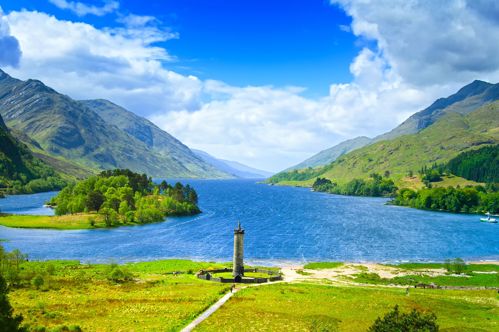
The Highlands are the Scotland of your imagination – vast, rugged, and deeply atmospheric. From the sweeping glens of Glencoe to the shores of Loch Ness and the moorland passes of the Cairngorms, the scale of the landscape is genuinely impressive. Travelling by coach through these regions provides a comfortable way to take it all in, with photo stops and guided commentary along the way.

Loch Lomond & The Trossachs
Best for: scenic touring, boat trips, relaxed sightseeing
The area just north of Glasgow offers a beautiful introduction to Highland scenery without the longer Highland drives. Loch Lomond, the largest freshwater loch in Britain, is fringed by forested hillsides and is perfect for a relaxed boat cruise. The wider Trossachs region makes for an excellent day of scenic touring.

Loch Ness
Best for: iconic Highland scenery, castle ruins, loch cruises
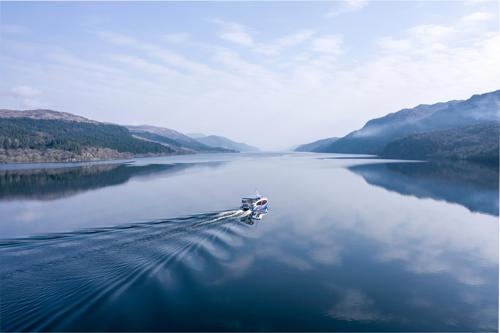
One of Scotland's most famous places – and one of its most atmospheric. Stretching 23 miles through the Great Glen between Inverness and Fort Augustus, the loch is flanked by forested hillsides and the dramatic ruins of Urquhart Castle. A two-hour loch cruise is one of the most memorable ways to experience it.
Find out more about Loch Ness tours and holidays.

Isle of Skye
Best for: dramatic landscapes, coastal scenery, island character
Skye is the most spectacular of Scotland's accessible islands – a place of ancient rock formations, medieval castles, and ever-changing coastal light. Highlights include Dunvegan Castle, Portree's colourful harbour, and the iconic scenery of the Cuillin Hills. It features on selected Newmarket Holidays tours and is worth every mile of the journey.
Discover Isle of Skye tours and holidays.

Inverness
Best for: Highland gateway, easy access to Loch Ness, city sightseeing
The 'capital of the Highlands' serves as the natural base for exploring this spectacular region. It's a charming city in its own right, with a Victorian Market, a riverside castle, and a welcoming café culture. Most Highland tours fly into Inverness, making it an ideal starting point for days exploring Loch Ness, Balmoral, and the Moray Firth.

Glasgow
Best for: architecture, museums, food, city culture
Scotland's largest city often surprises visitors with its warmth and its world-class cultural offering. The Kelvingrove Art Gallery & Museum, Glasgow Cathedral, and the Riverside Museum are among the most impressive free attractions in the UK. The Merchant City district is excellent for dining and exploring. Glasgow is also the gateway for Edinburgh Tattoo tours and features on several Newmarket Holidays itineraries.
Our top Scotland tours


- Rail travel from Inverness to Kyle of Lochalsh - a truly spectacular ride through the remote northern Highlands and alongside Loch Carron
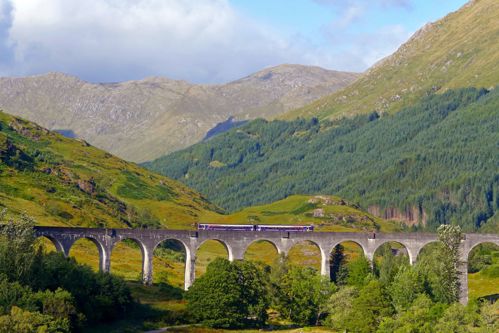
- Cross the Glenfinnan Viaduct, as seen in the Harry Potter films, on a train ride from Fort William to Mallaig
- Journey on the steam-hauled Strathspey Railway through unspoilt Highland scenery and alongside the River Spey
-
Flights included
5 days
from £874 ppwas £1,029 pp -
Dates Available
April 2027 - October 2027
-
Duration
5 days
-
Depart From
9 airports
-
Excursions & Visits
12 included
-
Meals
8 included


- Spot wildlife on a cruise on the Moray Firth
- Go mythical monster hunting on a boat trip on Loch Ness
- Marvel at the dramatic, 13th-century Dunrobin Castle and wander around its Versailles-inspired gardens.
-
Flights included
7 days
from £1,231 ppwas £1,539 pp -
Dates Available
April 2027 - October 2027
-
Duration
7 days
-
Depart From
6 airports
-
Excursions & Visits
9 included
-
Meals
8 included


- Visit the Royal Family’s Scottish holiday home, Balmoral Castle and Crathie Kirk, their regular place of worship
- Travel on the heritage Strathspey Railway to the resort town of Aviemore, a reminder of the golden days of steam
- Make the most of a guided Edinburgh tour, ticking off the city’s historical highlights
-
Rail travel included
7 days
from £1,478 ppwas £1,739 pp -
Dates Available
April 2027 - October 2027
-
Duration
7 days
-
Depart From
1 station
-
Excursions & Visits
14 included
-
Meals
10 included


- Take in the royal family's official Scottish residence, Balmoral Castle & Estate
- Embark on a two-hour cruise across the mystical waters of Loch Ness
- Immerse yourself in charming Ballater, a picturesque Victorian village nestled on the outskirts of Cairngorms National Park
-
Flights included
5 days
from £1,333 ppwas £1,569 pp -
Dates Available
April 2027 - October 2027
-
Duration
5 days
-
Depart From
5 airports
-
Excursions & Visits
9 included
-
Meals
12 included


- Visit the Cairngorm Reindeer Centre
- Enjoy a Christmas lunch with all the trimmings at your hotel
- Visit Spean Bridge, Neptune’s Staircase, Fort William and Glenfinnan
-
Flights included
5 days
from £1,168 ppwas £1,375 pp -
Dates Available
23 December 2026
-
Duration
5 days
-
Depart From
6 airports
-
Excursions & Visits
2 included
-
Meals
9 included


- Enjoy a reserved seat to observe the spectacular Royal Edinburgh Military Tattoo
- Set off on a short orientation tour of Edinburgh followed by free time to wander around at your leisure
- Join an optional boat trip across Loch Lomond and a tour of the beautiful Trossachs National Park
-
Flights included
4 days
from £769 ppwas £855 pp -
Dates Available
August 2027
-
Duration
4 days
-
Depart From
7 airports
-
Excursions & Visits
3 included
-
Meals
3 included
Top things to do in Scotland
Scotland's range of experiences is one of its great strengths. The activities below cover some of the most popular things to do in Scotland, from iconic landmarks to scenic journeys and relaxed loch cruises. Many are included within Newmarket Holidays tours; others can be enjoyed during time at leisure. Always check individual tour itineraries, as free time varies by tour.
1. Attend the Royal Edinburgh Military Tattoo
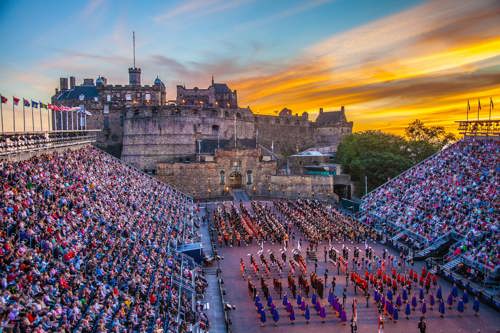
Overview: Edinburgh Castle is a historic fortress dominating the skyline, home to Scotland's crown jewels and centuries of royal history. Pairing your visit with the world-famous Royal Edinburgh Military Tattoo – held on the castle esplanade each August – transforms it into a truly spellbinding occasion. Military bands, display teams, and performers from around the world create a spectacular evening of music and pageantry on one of the most dramatic natural stages in the world. Find out more here.
Time needed: Two to three hours for the castle; Tattoo performances typically last 90–120 minutes.
Estimated cost: Castle tickets from approximately £19–£22; Tattoo tickets typically £30–£80 depending on seating.
Accessibility: The castle includes steep gradients and steps; partial step-free routes exist. Tattoo seating is mostly accessible – check official guidance for specific requirements.
2. Walk the Royal Mile
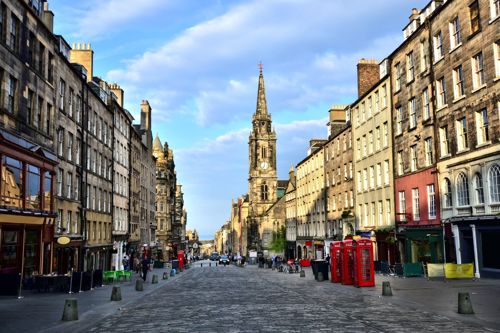
Overview: A gentle sightseeing route connecting Edinburgh Castle to the Palace of Holyroodhouse, lined with historic closes, independent shops, and museums. It's one of the finest things to see in Scotland – entirely at your own pace.
Time needed: One to two hours, longer with museum stops.
Estimated cost: Free to walk; optional museum entry fees apply.
Accessibility: Mostly manageable, though cobbled in places with some slopes.
Featured on: The Royal Caledonian
 |
 |
3. Explore Glasgow city highlights
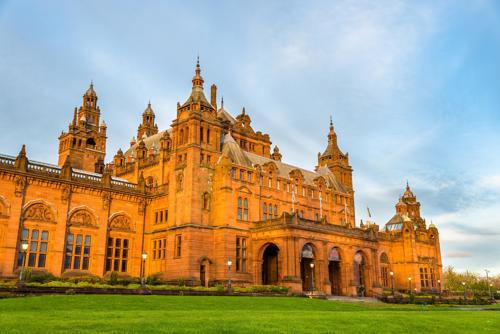
Overview: Glasgow blends rich industrial heritage with modern culture. Top attractions include the Kelvingrove Art Gallery & Museum, Glasgow Cathedral, the Riverside Museum, and the Merchant City district. A full day here rarely feels long enough.
Time needed: A full sightseeing day, longer if visiting multiple museums or galleries.
Estimated cost: Most major museums are free or request a donation; some paid attractions are around £10–£12.
Accessibility: Major museums and galleries have ramps and lifts. Some historic sites include steps – check official guidance before visiting.
4. Visit Loch Ness & Urquhart Castle
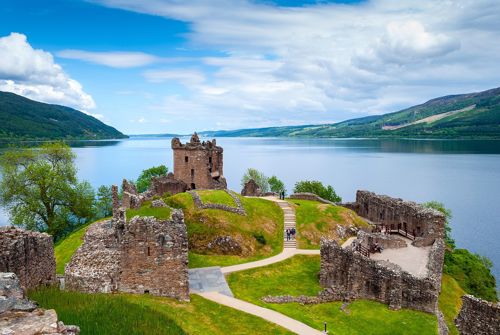
Overview: Enjoy the classic Highland scenery around Loch Ness, with a boat cruise on the loch itself and the dramatic ruins of Urquhart Castle as a magnificent backdrop. It's one of the most famous places in Scotland, and hugely rewarding on an escorted tour.
Time needed: Half-day to full-day, typically as part of a wider tour itinerary.
Estimated cost: From approximately £15 for Urquhart Castle entry (if visiting independently).
Accessibility: Loch viewpoints are generally accessible; the castle site includes some uneven ground.
 |
 |
5. Journey through the Scottish Highlands by coach
Overview: The Highlands are one of Scotland's most beautiful regions, and exploring them by coach – with an expert tour manager on hand – is the most comfortable and rewarding way to do it. Expect sweeping glens, mirror-still lochs, ancient forests, and the vast open skies that make the north of Scotland so distinctive.
Time needed: One to three days across a tour itinerary.
Estimated cost: Included on escorted tours.
Accessibility: Excellent for travellers who prefer sightseeing by coach with regular comfort breaks.
Featured on: The Best of the Scottish Highlands
6. Take a loch cruise
Overview: A loch cruise is one of the most relaxed ways to experience Scotland's scenery. Whether you're gliding across Loch Ness with sonar equipment scanning the depths below, or enjoying Loch Lomond's wooded shores from the water, it's a peaceful and thoroughly enjoyable hour or two.
Time needed: One to two hours.
Estimated cost: Typically £15–£25 independently; included on selected tours.
Accessibility: Many cruise boats offer step-free boarding, though this varies by provider.
Featured on: Christmas in the Highlands
 |
 |
7. Travel on a scenic Scottish railway
Overview: One of the most memorable things to do in Scotland is to travel on its legendary railways. The West Highland Line from Fort William to Mallaig – crossing the 21-arch Glenfinnan Viaduct – has been voted the world's best train journey by Wanderlust Magazine. The Strathspey Steam Railway offers a wonderful nostalgic journey through the Cairngorms, and the Inverness to Kyle of Lochalsh line passes through some of the most remote and breathtaking scenery in Britain.
Time needed: Half-day to full-day journeys, depending on the route.
Estimated cost: Included on relevant escorted tours; check individual itineraries for details.
Accessibility: Most modern Scottish trains offer step-free access, designated wheelchair spaces, and accessible toilets. Facilities may vary on heritage services.
Featured on: Scottish Highland Railways
Food & drink in Scotland
Scottish cuisine is far more varied and accomplished than its reputation sometimes suggests. From outstanding seafood on the west coast to hearty Highland dishes using locally raised venison, game, and oats, eating well in Scotland is one of the genuine pleasures of the trip. Edinburgh alone has five Michelin-starred restaurants. Explore our dedicated Scotland food and drink guide for a closer look at what to eat and where.
Some of Scotland's most distinctive dishes and drinks to look out for:
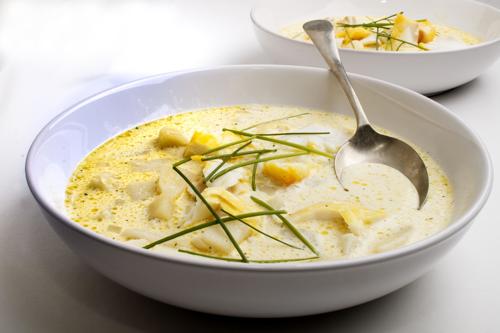
• Cullen skink – a rich, creamy smoked haddock soup
• Scottish salmon and fresh Adriatic-style seafood
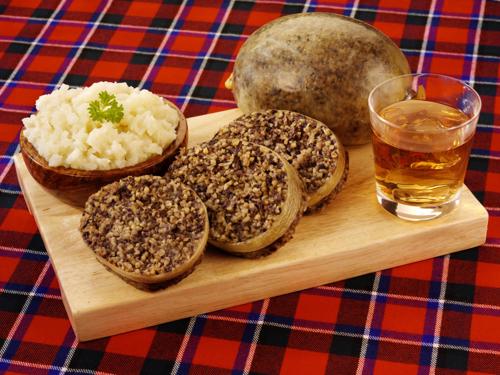
• Haggis, neeps and tatties – more approachable than its reputation, and worth trying
• Steak pie – a classic pub staple, often served with seasonal vegetables
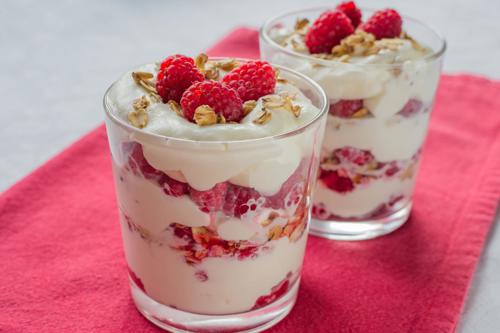
• Cranachan – a light dessert of cream, oats, raspberries, and whisky
• Shortbread and tablet – crumbly Scottish confectionery
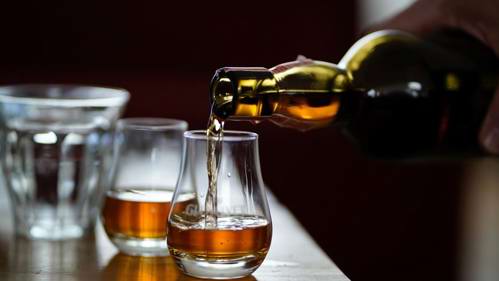
• Whisky – Scotland has around 150 working distilleries across five whisky regions
• Scottish gin – a modern speciality that has flourished across the country
If you have specific dietary requirements, these can often be accommodated with advance notice. It's worth flagging any needs at the time of booking so your tour manager and hotels can prepare.
Signature dishes by region
Scottish cuisine reflects the country's geography: the coast and islands are rich in seafood, the Highlands lean on game and Highland beef, and the cities offer everything from traditional pub fare to ambitious contemporary cooking.
Edinburgh and the Lothians: Cullen skink, Scotch broth, and cranachan are all widely available in the city’s pubs and restaurants. Edinburgh’s dining scene has grown significantly in recent years, with high-quality bistros sitting alongside traditional taverns.
Glasgow and the West: A fish supper – fresh fish and chips from a traditional Scottish fryer – remains a Friday evening institution. Steak pie and tablet are also highlights, as is the city’s increasingly diverse restaurant scene.
The Highlands: Venison casseroles and pies are a Highland staple, alongside haggis, neeps and tatties and oatcakes served with local cheese. Many Highland hotels take pride in sourcing from nearby farms, estates, and smokehouses.
Vegetarian & plant-based dining
Vegetarian and plant-based options are widely available across Scotland, particularly in cities and larger towns. Edinburgh has a strong vegetarian and vegan dining scene, and most pubs and hotel restaurants offer at least one or two vegetarian main courses. Supermarkets and cafés throughout the country make it easy to find lighter options for lunch.
When dining out, it’s always worth asking staff about ingredients in soups, gravies, and traditional dishes, as these sometimes include meat-based stocks.
Safe street food & drinking water tips
Tap water is safe to drink across Scotland, and refilling a water bottle from the tap is entirely normal in cities and towns. Street food is most common in larger cities and at seasonal markets – food markets are a great place to sample local produce, artisan baking, and regional specialities.
If you’re visiting a whisky distillery (several appear on Newmarket Holidays tours, including Glen Ord on the Black Isle and the Strathspey region), note that measures can be generous. Pacing is encouraged.
Local dining etiquette
Service in Scotland is generally relaxed and unhurried, which suits the pace of an escorted touring holiday very well. In pubs, it’s common to order at the bar, though table service is also available in many places. Booking ahead is recommended in popular areas, particularly in summer and during Edinburgh’s festival season in August.
Tipping is optional; 10–12.5 percent is typical in restaurants when service isn’t already included. If you’re trying whisky at a distillery, the traditional approach is to taste it neat first, then add a small drop of water if you wish – a subtle ritual that purists swear makes a real difference.
Getting around Scotland
Scotland is straightforward to get to and navigate as part of an escorted tour, with all transport, transfers, and logistics managed on your behalf.
Arrival airports: Edinburgh and Glasgow are Scotland's two main international airports, with Inverness also serving as a key gateway for Highland tours. Newmarket Holidays tours depart from a range of UK regional airports, so you can often fly direct from close to home.
Coach touring: The backbone of most Scotland escorted tours, coach travel is comfortable, fully guided, and removes the need for self-driving on unfamiliar rural roads. It’s particularly well suited to Highland touring, where the roads can be narrow and the distances between stops significant.
Rail travel: Several Newmarket Holidays tours incorporate iconic Scottish rail journeys as highlights in their own right. The Caledonian Sleeper – an overnight service from London Euston to Inverness – is one of Britain’s great railway experiences and features on The Royal Caledonian tour.
Ferries: Island tours require ferry crossings, which are included within the relevant tour itineraries. CalMac operates the main west coast and island services, and crossing times are generally comfortable. Some island businesses close on Sundays, so always check tour-specific notes.
Weather can affect travel times in remote areas, particularly in the Western Highlands. Your tour manager will always keep you informed of any adjustments.
Article for reference: Lonely Planet
The best time to visit Scotland
Scotland can be visited year-round, but the experience varies noticeably by season. The main factors to consider are daylight hours, temperature and rainfall, crowd levels, and what kind of scenery you’re hoping to encounter. Late spring and early autumn tend to offer the most balanced conditions for touring, which is why these periods remain the most popular.
Spring (March–May)
Spring brings longer days, markedly quieter attractions, and some of the freshest Highland scenery of the year. Temperatures are mild – typically 8–14°C – and the landscapes are vivid with new growth. April and May in particular are outstanding months for touring: lighter evenings, reasonable weather, and none of the summer crowds. This is one of the best times to visit Scotland for travellers who prefer a more peaceful pace.
Summer (June–August)
The warmest months, with temperatures ranging from around 15–19°C in the Highlands and occasionally warmer in the cities. Daylight is exceptional – in June, it barely gets dark in the north. July and August are the busiest months, with Edinburgh at its most lively during the festival season. The Edinburgh Military Tattoo takes place in August. Note that midges – small biting insects – are most active in summer near lochs and in the west; a light insect repellent is sensible in those areas.
Autumn (September–November)
Early autumn is outstanding in Scotland. September offers warm, settled weather (around 12–18°C), stunning golden colours in the glens and forests, and noticeably fewer visitors than summer. It’s one of the best months to visit Scotland for castle and city breaks as well as Highland touring. October cools further but remains very atmospheric; November is quieter and cooler, with shorter days.
Winter (December–February)
Scotland’s cities are charming in winter – Edinburgh is particularly captivating in December, with its Christmas markets and festive atmosphere. The Newmarket Holidays Christmas in the Highlands tour departs on 23 December and includes a Loch Ness cruise, the Cairngorm Reindeer Centre, and a traditional Highland Cèilidh on Christmas Day. Winters are cold (around 3–07°C), with shorter days and a quieter pace across the country.
Scotland weather by month
Scotland’s weather is famously changeable in all seasons – it’s entirely possible to experience sunshine, mist, and a sharp shower all in one afternoon. The west Highlands tend to be wetter than the east. Layering is essential year-round.
| Month | Temp | Notes |
|---|---|---|
| January | 2–6°C | The coldest month; ideal for city sightseeing, museums, and quieter touring. |
| February | 3–6°C | Similar to January; often good value. |
| March | 5–9°C | Early spring, improving daylight; a pleasant start to the touring season. |
| April | 7–12°C | One of the best months for touring – lighter evenings and fresh landscapes. |
| May | 10–15°C | Mild, long days; excellent for scenery and outdoor sightseeing. |
| June | 13–18°C | Very long daylight hours; peak touring conditions begin. |
| July | 15–19°C | Warmest month on average; busiest period. |
| August | 14–18°C | Warm and lively; Edinburgh Festival and Military Tattoo season. |
| September | 12–17°C | Outstanding balance of weather and fewer crowds; one of the best months. |
| October | 8–12°C | Crisp autumn colour; excellent for castles and city sightseeing. |
| November | 5–8°C | Cooler, quieter, shorter days. |
| December | 3–6°C | Festive city breaks; winter Highland scenery possible. |
Accessibility & comfort in Scotland
Scotland is a rewarding destination for older travellers and those with mobility considerations, though it’s worth being aware of a few practical points before you travel.
Edinburgh’s Old Town in particular features cobbled streets, steep slopes, and stone staircases. Many castles, including Urquhart and Edinburgh, involve uneven ground and steps at certain points. Comfortable, supportive footwear is strongly recommended for any sightseeing on foot, and layering is essential given Scotland’s changeable weather.
Travelling by coach significantly reduces the amount of walking required, as it brings you directly to key sites. Many viewpoints, visitor centres, and loch cruise vessels are fully accessible. Hotels on Newmarket Holidays tours generally include lifts and accessible rooms, though availability can vary.
It’s well worth discussing any mobility requirements at the time of booking, so that your tour manager and the Newmarket Holidays team can plan accordingly. The Hebridean Island Adventure is not recommended for guests with limited mobility due to the nature of island terrain and ferry crossings.
Essential information for Scotland
Scotland’s currency
Pound sterling (£) – no currency exchange is required for UK travellers. Scotland uses the same notes as the rest of the UK, though Scottish-issued banknotes (from RBS, Bank of Scotland, and Clydesdale Bank) are also in common circulation. These are legal currency, although some retailers in England may not accept them.
Tipping in Scotland
Tipping is optional and never obligatory. In restaurants where service is not already included, 10–12.5 percent is a reasonable guide for good service. In pubs, tipping is less common, though rounding up is always appreciated.
Plugs in Scotland
Scotland uses UK plug type G (three-pin). No adaptor is needed for UK travellers. European visitors will require an adaptor.
Local slang
English is the everyday spoken language across Scotland, but you may encounter some wonderfully expressive Scottish vocabulary along the way:
• Aye – yes
• Nae bother – no problem
• Braw – excellent, good (as in the scenery)
• Dreich – grey and drizzly weather (you may need this one)
• Wee – small; also used affectionately for almost anything
• Loch – a lake; the word is pronounced with a guttural ‘ch’ at the end, not a ‘k’
FAQs
Discover our blog

Five Scottish destinations that are perfect for a Traitors-inspired getaway
To mark the start of The Celebrity Traitors, find out more about the show’s real-life setting, Ardross Castle, and four more Scottish castles you can see on our tours.

Inside our itineraries: Discussing the Highlands and Hebrides with Joe
Get the inside track on what to expect on our Hebridean Island Adventure and why this part of Scotland is so special as we talk to our marketing executive, Joe.

The best of British summertime: Five spots to explore in the sun
Embrace the best of the British Isles with an escorted tour taking in historic highlights and the natural beauty of the UK or Ireland.