Netherlands Travel Guide
Discover the top things to do in the Netherlands: canals, tulips, windmills, museums, and hidden gems.
The Netherlands: our destination guide
The Netherlands brings together canal-laced cities, grand museums, windmill-dotted landscapes and one of the world’s most bike-friendly cultures. Compact and easy to navigate, it’s a place where you can cruise past 17th-century gabled houses in the morning, wander through tulip fields at lunchtime, and end the day in a medieval square or a waterside café. Whether you travel for art, history, or relaxed outdoor time, there’s plenty to fill a short break or a longer tour.
If you’re planning your first visit or adding free time to an escorted itinerary, this guide highlights the best places to visit in the Netherlands and practical tips for travelling comfortably and confidently.
Must-see highlights of the Netherlands
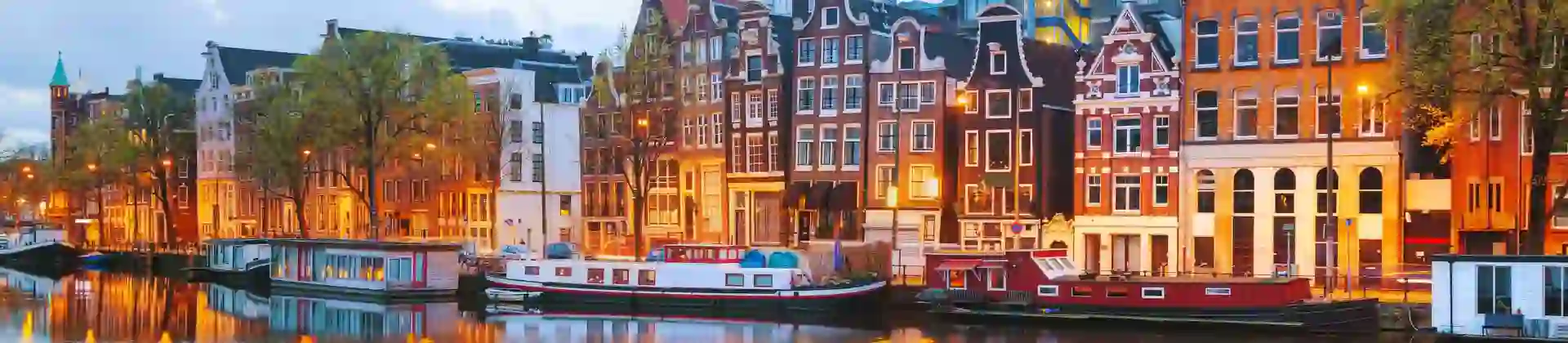
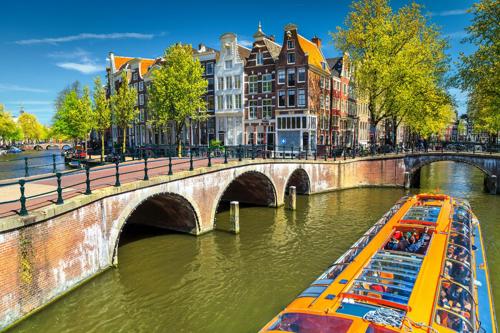
- Amsterdam canal cruise & Golden Age canal ring – glide past historic houses and bridges on the UNESCO-listed canals.
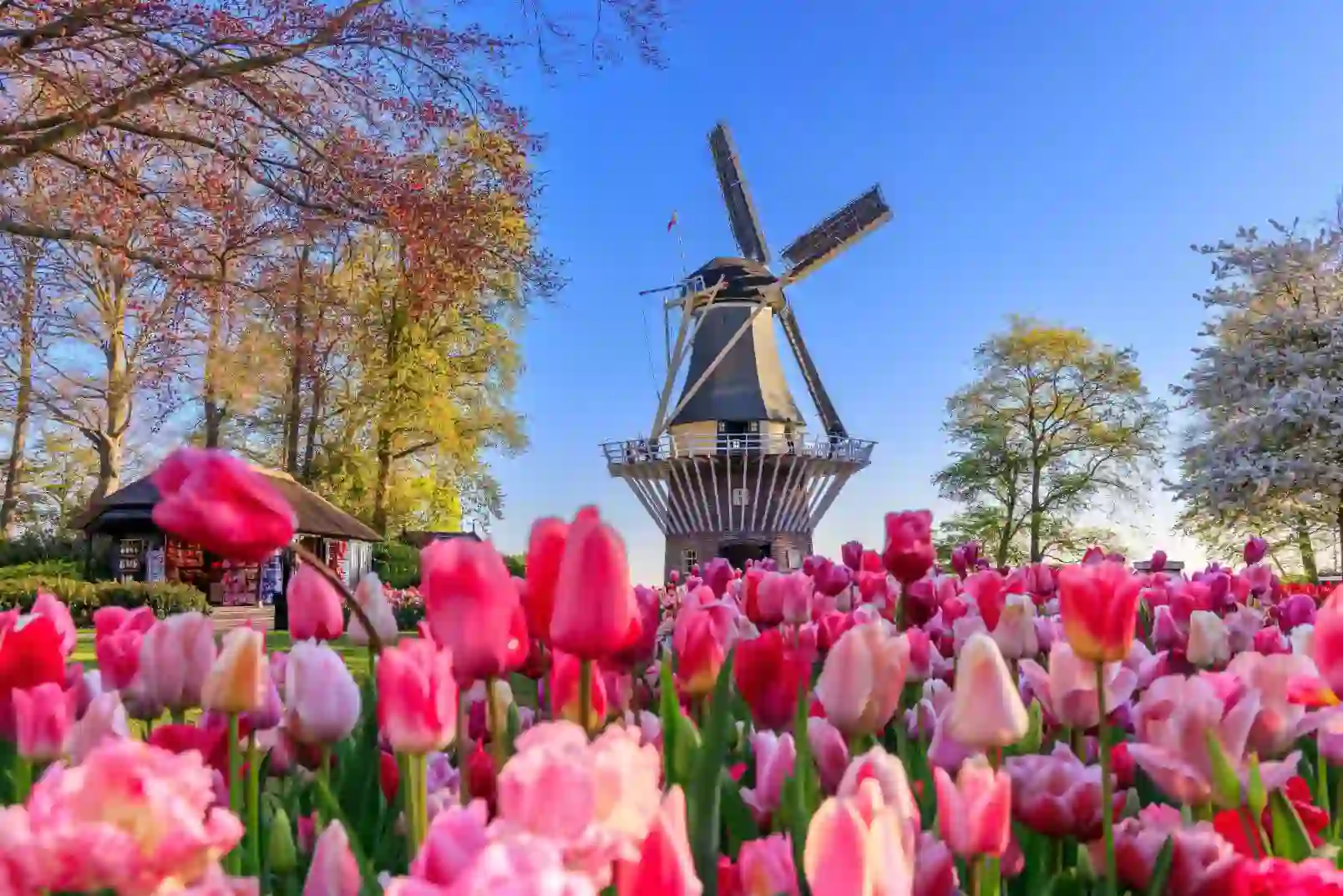
- Keukenhof Gardens & tulip fields (spring) – millions of blooms and colourful displays, open from March to May.
- Windmills at Kinderdijk or Zaanse Schans – see traditional windmills and waterways that showcase Dutch water engineering.
- Cycling the Dutch countryside & polders – follow flat, scenic cycle paths through farmland, villages and flower fields.
- Medieval towns: Utrecht, Delft & Haarlem – cobbled streets, canalside cafés and Gothic churches within easy reach of Amsterdam.
- Giethoorn, ‘Dutch Venice’ – a quiet village of canals and thatched cottages best explored by boat.
Many of these experiences make ideal options during your morning at leisure on the Amsterdam & Dutch Bulbfields tour, while others help paint a fuller picture of the country’s standout attractions. Discover the best of the Netherlands with Newmarket Holidays escorted tours.
Places to visit in the Netherlands
Although compact, the Netherlands is remarkably diverse, with cultural cities, wildlife reserves, sandy coastlines and charming small towns all within easy reach of each other. The regions below capture the country’s main highlights, giving a sense of what makes each area distinct.
North Netherlands / Wadden Sea & Frisian Islands
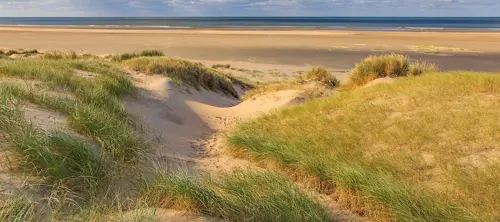
A peaceful region known for sweeping coastlines, birdlife and the UNESCO-listed Wadden Sea. It's ideal for travellers who enjoy wide horizons, quiet beaches and seasonal mudflat walks.
Randstad / Amsterdam & surrounding cities
The cultural heart of the country, home to Amsterdam, The Hague, Rotterdam and Utrecht. Expect canals, world-class museums, innovative architecture and lively neighbourhoods. Trains run frequently between cities, making it easy to explore several in a single trip.
 |
 |
South Holland & Delta / Zeeland
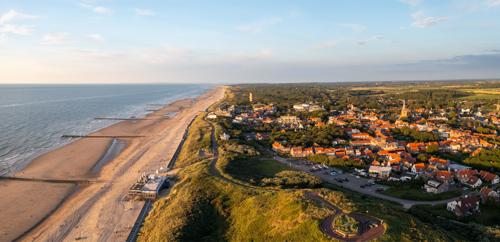
Shaped by the sea, this region has clean beaches, coastal trails and the impressive Delta Works, a series of engineering projects designed to protect the Netherlands from flooding. Zeeland’s relaxed pace and maritime villages make it a popular summer escape.
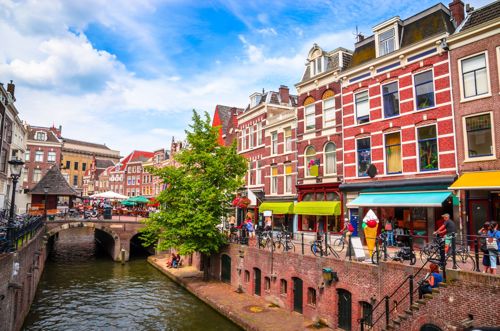
Central Netherlands / Utrecht, Haarlem & Gouda
Known for medieval streets, historic churches and market squares. Utrecht’s canals and terraces create a lively, walkable centre. Haarlem blends heritage with flower-field access in spring, and Gouda remains synonymous with its traditional cheese markets.
 |
 |
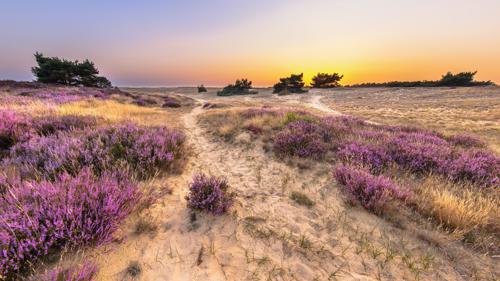
Eastern Netherlands / Gelderland & the Hoge Veluwe
A green, expansive area of forests, heathlands and sand drifts. The Hoge Veluwe National Park is a standout - combining wildlife, cycling trails and the Kröller-Müller Museum, which hosts one of the world’s largest Van Gogh collections.
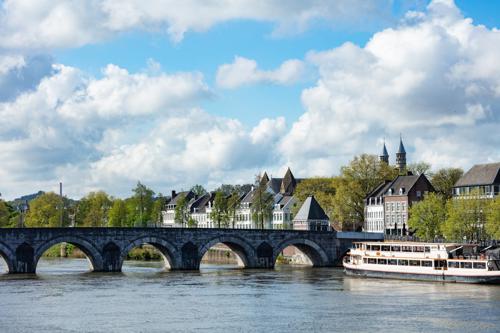
Southern Netherlands / Limburg & Maastricht
Hillier than the rest of the country, this region has a softer landscape and a cross-border feel. Maastricht offers Roman roots, elegant squares and riverside cafés, while nearby villages and vineyards lend themselves to slower, scenic days out.
 |
 |
Top things to do in the Netherlands
Below you’ll find a selection of the Netherlands’ most rewarding attractions - from canal cruises and flower gardens to medieval towns and countryside routes. Some are included in Newmarket Holidays tours, while others make excellent options during free time on itineraries like the Amsterdam & Dutch Bulbfields tour.
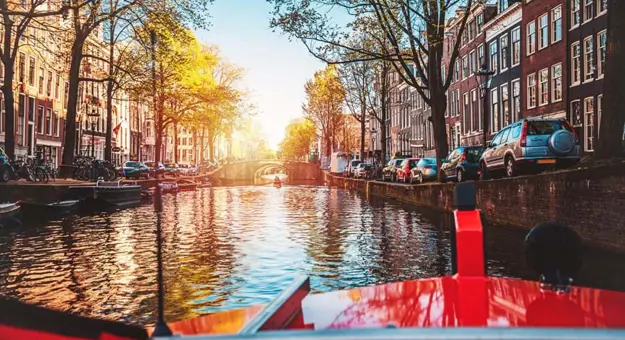
Amsterdam Canal Cruise & the Golden Age Canal Ring
Summary: Glide past gabled houses, narrow bridges and UNESCO-listed waterways that showcase Amsterdam’s 17th-century architecture.
Suggested time: 1–2 hours
Ticket guidance: Prices can vary depending on the tour chosen. Buy online or at canal-side kiosks.
Access tips: Morning or sunset departures offer softer light and fewer crowds; close to major attractions such as the Anne Frank House and Rijksmuseum.
Accessibility: Many boats have ramps or low boarding - check for wheelchair-accessible departures when booking with your specific tour provider.
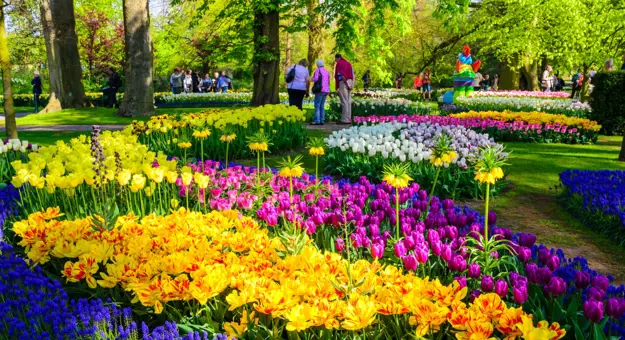
Keukenhof Gardens & Tulip Fields (Spring)
Summary: Wander through millions of tulips and vibrant displays at Keukenhof Gardens during the March–May bloom, the most colourful time of year in the Netherlands.
Suggested time: Half-day to full day.
Ticket guidance: €20–25 - pre-book entry and shuttle transfers.
Access tips: Mid-April typically sees the best bloom.
Accessibility: Step-free paths throughout, and mobility scooters available to hire on-site.
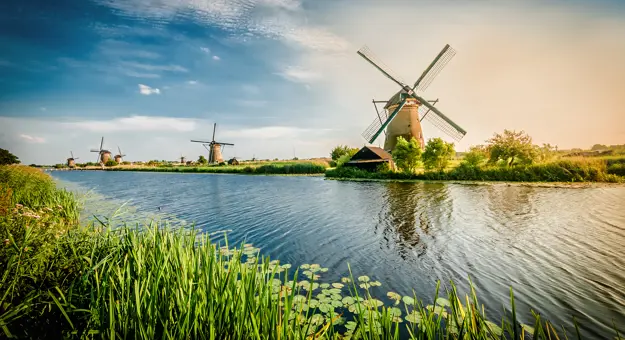
Windmills at Kinderdijk or Zaanse Schans
Summary: Discover traditional water-management systems and fully functioning windmills set among scenic canals and fields.
Suggested time: 2–4 hours
Ticket guidance: Museum or mill interiors costs vary, whilst outdoor areas are free to explore.
Access tips: Kinderdijk sits 25 km from Rotterdam with bus/boat access; Zaanse Schans is only 20 minutes from Amsterdam by train. Early morning visits are quieter.
Accessibility: Flat, paved paths and accessible viewing areas - however there are steep stairs in some mill interiors.
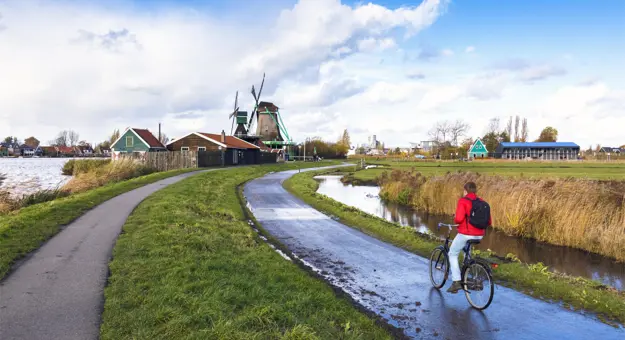
Cycling the Dutch Countryside & Polders
Summary: Ride along smooth, dedicated cycle routes passing tulip fields, polders, waterways and traditional farmsteads. It’s ideal for both beginners and experienced cyclists.
Suggested time: Half-day to full day.
Ticket guidance: Bike rentals vary. Free maps are available from tourist offices.
Access tips: Popular routes include the Flower Route near Haarlem and the Waterland loop north of Amsterdam. These are best experienced in spring or summer.
Accessibility: Many paths are completely separated from traffic and adaptive bikes can be hired in major cities.
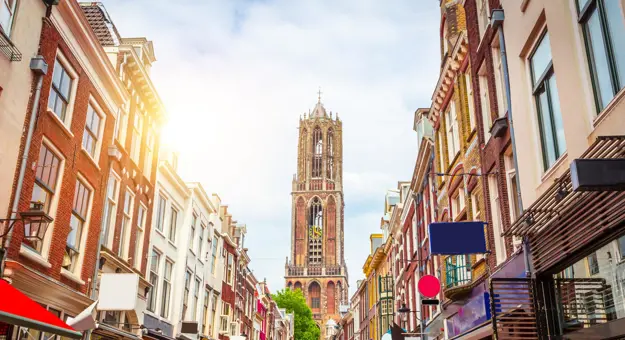
Exploring Medieval Towns: Utrecht, Delft & Haarlem
Summary: Compact centres with Gothic churches, cobbled lanes, canal-side cafés and well-preserved squares, perfect for unhurried wandering.
Suggested time: 1 day per town (or 2–3 days combined).
Ticket guidance: Many landmarks are free. Museum or tower entries range from €5–15.
Access tips: Each town is less than an hour from Amsterdam by train.
Accessibility: Stations and central areas usually have step-free access, though cobblestones may be uneven in older districts.
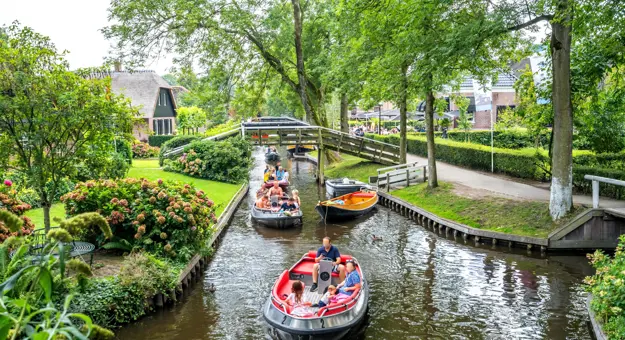
Giethoorn (Venice of the Netherlands)
Summary: A tranquil village of narrow waterways, wooden bridges and thatched cottages, best explored by electric boat.
Suggested time: Half-day to full day.
Ticket guidance: Boat rental or guided cruises vary, but village access itself is free.
Access tips: Ideal in late spring or early autumn when crowds are lighter. Accessible via car or train and bus.
Accessibility: Limited step-free areas; choose guided boats with ramp access where available.
Our top Netherlands tours
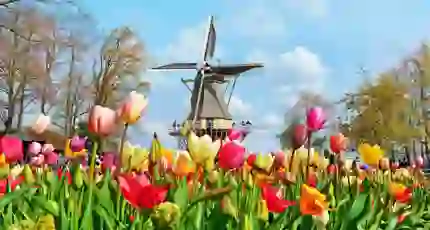
- Spend a day at the world-famous Keukenhof flower garden
- Discover the Zuider Zee fishing village and enjoy a traditional wooden shoemaking demonstration
- Discover colourful Amsterdam on a canal cruise
- Flights included
4 days from £940 pp
was £1,105 pp
Dates Available
May 2026 - May 2027
Duration
4 days
Depart From
15 airports
Excursions & Visits
7 included
Meals
4 included

- Be among the first to see André Rieu in 2027, live in his home country
- Enjoy plenty of free time to explore Amsterdam's shops, museums and canals
- Visit the charming fishing town of Volendam, known for its colourful Dutch houses
- Flights included
4 days from £752 pp
was £835 pp
Dates Available
08 January 2027
Duration
4 days
Depart From
16 airports
Excursions & Visits
3 included
Meals
3 included
History of the Netherlands
The Netherlands’ past is shaped by centuries of trade, maritime ingenuity and cultural exchange. Many of the places travellers explore today grew from these key eras.
Early history & the Dutch Republic
Roman borders once reached the region, followed by Germanic tribes who shaped early settlement. Under Habsburg rule, rising religious and political tensions led to the Dutch Revolt, and in 1581 the northern provinces formed the Dutch Republic, a seafaring power built on trade and navigation
The Golden Age
The 1600s saw flourishing global commerce, scientific innovation and the creation of artworks by masters such as Rembrandt and Vermeer. Today, the elegant canal houses and merchant warehouses in cities like Amsterdam and Haarlem reflect this prosperous era.
Modern kingdom & the world wars
The Kingdom of the Netherlands was established in 1815, later becoming a constitutional monarchy. Neutral in WWI, the country was occupied during WWII, a period remembered through memorials and museums, including the Anne Frank House.
Post-war to present day
Reconstruction, social reform and international cooperation shaped the modern Netherlands. Visitors now find a country where historic towns sit alongside contemporary architecture, and where innovation, art and heritage continue to define daily life.
Food & drink in the Netherlands
Dutch food is simple, comforting and shaped by seasonal ingredients, coastal traditions and a strong café culture. Markets, bakeries and street stalls play a big role in daily life, making it easy for travellers to sample classic dishes between sightseeing stops.
Signature Dutch dishes
- Stroopwafel – thin waffles sandwiched with warm caramel syrup - best fresh from a market stand.
- Herring (haring) – a popular snack served with chopped onions and pickles, especially in summer.
- Poffertjes – light, fluffy mini-pancakes dusted with icing sugar.
- Bitterballen – crunchy beef croquettes, often paired with mustard.
- Dutch cheeses – Gouda, Edam and Leyden are widely available at markets, shops and tastings.
 |
 |
Regional Dutch specialities
- Friesland: sweet sûkerbôle (sugar bread) and distinctive cheeses.
- Limburg: fruity vlaai pies found in bakeries and cafés.
- Zeeland: mussels, oysters and fresh fish dishes linked to the region’s coastal heritage.
Local markets are ideal for grazing on freshly baked breads, seasonal produce and regional cheeses while taking in the relaxed Dutch atmosphere.
Getting around the Netherlands
The Netherlands is compact, well connected and easy to navigate, with fast NS trains linking major cities, frequent trams and buses in urban areas, and extensive cycle paths that make biking a practical option for short or scenic journeys.
Amsterdam Schiphol serves as the main gateway with direct rail connections nationwide, while Rotterdam The Hague and Eindhoven airports handle additional European routes. Travellers can tap in and out using an OV-chipkaart or contactless payment. Within cities, trams and metro services run regularly, but many visitors find walking or cycling just as convenient thanks to safe, dedicated routes and widespread bike rental options.
Best time to visit the Netherlands
The Netherlands has a mild maritime climate with four distinct seasons, and weather can shift quickly, so layering is useful year-round. Visitors should also note regional differences. Coastal areas can be breezier, and the Wadden Islands often feel cooler than inland cities.
Month-by-month weather
| Month | Avg High / Low (°C) | Notes for Travellers |
|---|---|---|
| January | 1–6°C | Cold and damp, occasional frost. |
| February | 1–7°C | Cold and windy, chance of snow. |
| March | 3–10°C | Variable, gradually warming. |
| April | 5–14°C | Milder, peak tulip bloom. |
| May | 9–18°C | Pleasant with sunny spells. |
| June | 12–21°C | Warm with long daylight hours. |
| July | 14–23°C | Warmest month, popular for outdoor events. |
| August | 14–22°C | Mild, slightly humid with occasional rain. |
| September | 11–19°C | Cooler, stable conditions. |
| October | 8–15°C | Breezier with autumn colours. |
| November | 5–10°C | Cool and rainy. |
| December | 2–7°C | Cold, damp, festive season. |
Seasonal highlights
- April–May: Best for tulip fields and spring gardens.
- June–August: Ideal for islands, cycling and coast.
- September–October: Comfortable temperatures, lighter crowds.
- November–March: Quiet, good value, shorter daylight hours.
Essential information
Accessibility & comfort
The Netherlands is generally well equipped for accessible travel, with many train stations offering step-free entrances, lifts and clear signage. Trams and metro services in major cities often use low-floor vehicles, and many canal cruises provide wheelchair-friendly boarding, though it’s worth checking in advance. Larger attractions typically include wheelchair accessibility, but it’s always best to check ahead of your visit. Flat terrain and well-maintained pavements make most urban areas easy to navigate, though cobblestones in historic centres can be uneven.
The Netherlands currency
The Netherlands uses the euro (€). As a guide, €1 typically sits around £0.85–£0.90, though exchange rates vary.
Tipping in the Netherlands
Tipping is optional. Locals usually round up the bill or leave 5–10% in restaurants for particularly good service.
Plugs in the Netherlands
The country uses Type C and Type F plugs (two round pins) with a standard 230V supply. A European adaptor is required for UK appliances.
Safety in the Netherlands
The Netherlands is considered very safe for travellers. Normal precautions apply in busy areas, and cyclists or trams may have priority at crossings, so take care when walking in cities. For emergencies, dial 112.
Useful phrases in the Netherlands
A few simple Dutch phrases can make day-to-day interactions smoother, especially in cafés, shops and markets. English is widely spoken, but locals appreciate the effort.
- Hallo - Hello (hah-loh)
- Tot ziens - Goodbye (toht zeens)
- Dank je wel – Thank you (informal) (dank yuh vel)
- Dank u wel – Thank you (formal) (dank oo vel)
- Alsjeblieft – Please (informal) (ahl-shuh-bleeft)
- Alstublieft – Please (formal) (al-stu-bleeft)
- Ik spreek geen Nederlands – I don’t speak Dutch (ik sprayk khane nay-der-lahnds)
- Spreekt u Engels? – Do you speak English? (spraykt oo eng-uhls?)
- Hoeveel kost dit? – How much does this cost? (hoo-fayl kost dit?)
- Kunt u mij het menu laten zien? – Can you show me the menu? (kunt oo may het meh-new lah-ten zeen?)
FAQs
Discover our blog
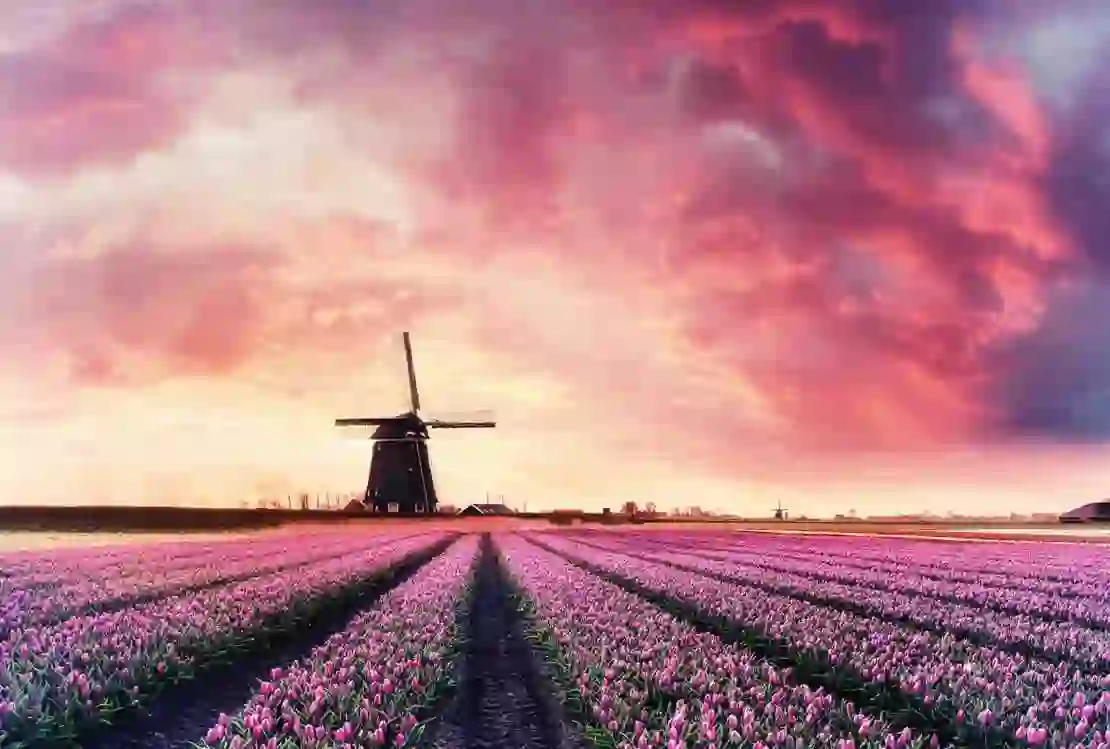
Six unique reasons to visit Keukenhof Gardens this spring
For just eight weeks between March and May, the Keukenhof Gardens opens its gates to the public, drawing millions of visitors from around the world.
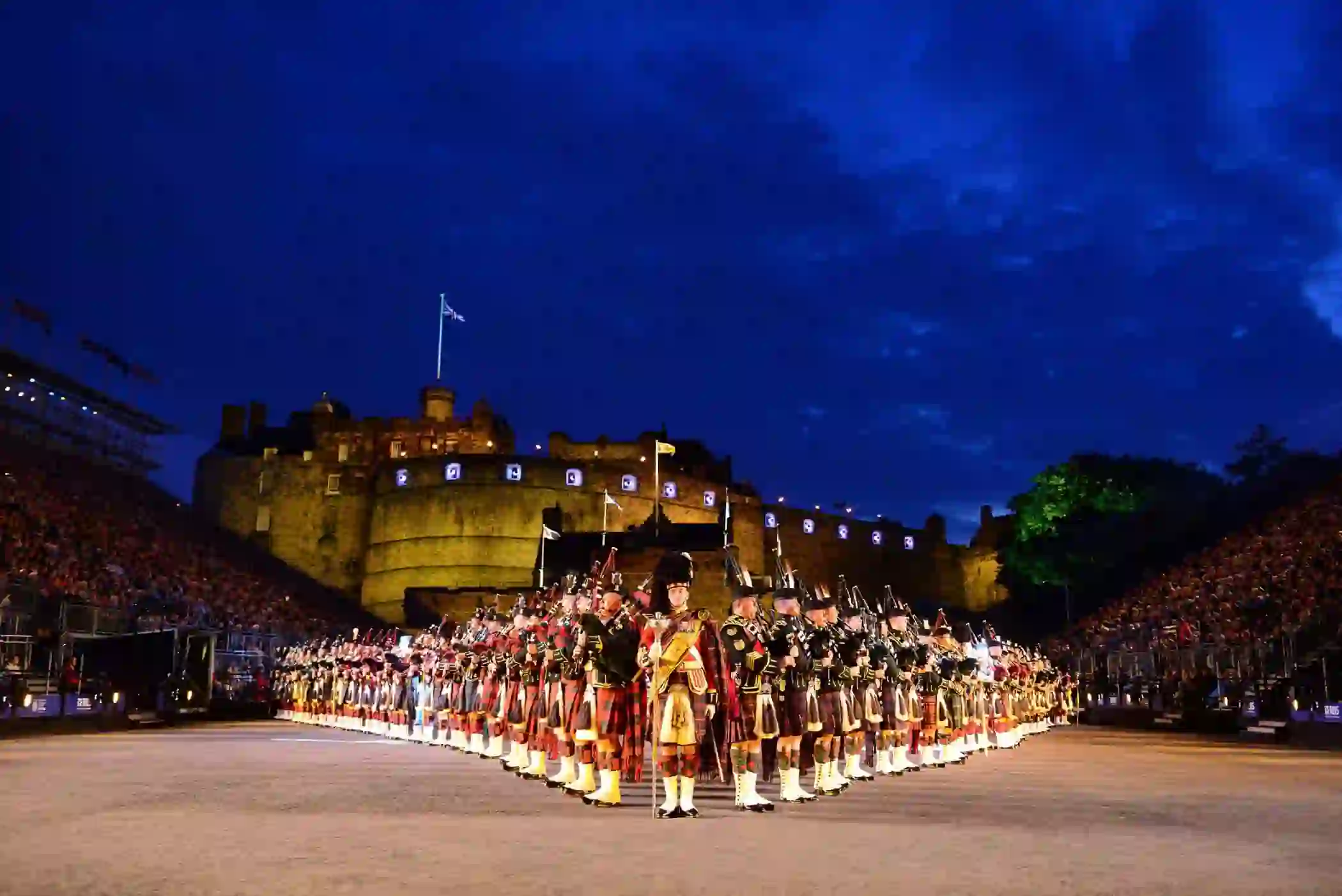
Six events to experience in 2025
Witness a show like no other with tickets to 2025’s greatest shows, from special anniversary events and familiar favourites to city-spanning celebrations further afield.
Five unmissable spring getaways
Chase away the winter blues and witness Europe in bloom with an unforgettable springtime escape.