
France Travel Guide
Experience the remarkable culture, scenery and cuisine across one of Europe's most rewarding destinations
France: our destination guide
Few destinations offer the same balance of culture, scenery, and ease as France. From world-famous cities to vineyard-covered countryside, this is a country where history, art, and everyday life blend seamlessly. Whether you’re drawn by grand architecture, regional cuisine, or slower-paced exploration, France rewards thoughtful travel.
Across its regions, you’ll find remarkable variety. Elegant boulevards in Paris give way to château-lined rivers in the Loire Valley, while Provence’s sunlit landscapes contrast with Normandy’s dramatic coastlines and the Mediterranean charm of the French Riviera. For travellers who value comfort and clarity, escorted touring provides a well-paced way to experience these highlights, with logistics carefully managed and expert guidance throughout.
Quick highlights: must-see places in France
- Paris – Iconic landmarks, museums, and river views
- Loire Valley – Château countryside and gentle touring
- Provence – Lavender fields, Roman heritage, relaxed pace
- Normandy – Historic coastlines and WWII sites
- French Riviera – Coastal elegance and Mediterranean scenery
- Bordeaux – Vineyards and refined city life
- Alsace – Half-timbered villages and wine routes
Discover the best of France, made effortless, with Newmarket Holidays escorted tours.
Places to visit in France
When planning your places to visit in France, it helps to think in regions. Each offers its own atmosphere, cuisine, and highlights, making it easy to tailor your journey.

Paris
Best for: First-time visitors, art lovers, iconic landmarks
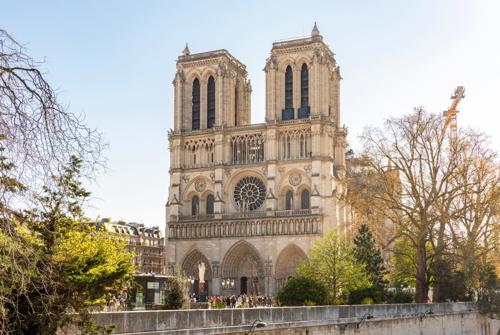
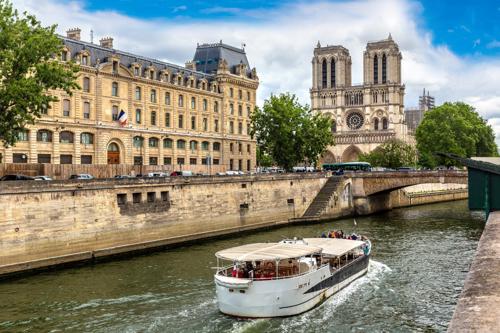
France’s capital remains one of the most recognisable cities in the world. From the Eiffel Tower to the Louvre and Notre-Dame, Paris is filled with celebrated things to see in France. A Seine river cruise offers a relaxed introduction, while its café culture and grand boulevards encourage unhurried exploration.

Loire Valley
Best for: Architecture, countryside, wine lovers
Often described as the “Garden of France,” this region is known for its Renaissance châteaux. Château de Chambord and Château de Chenonceau are among the most visited, set against peaceful rivers and vineyards.

Provence
Best for: Scenery, history, relaxed pace
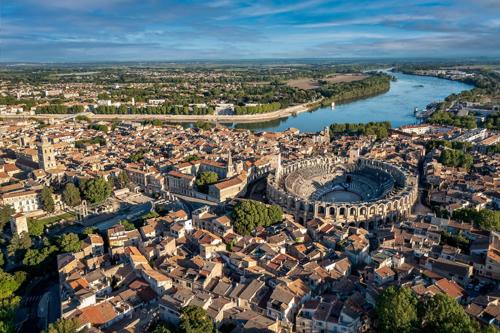
Provence combines Roman heritage with a slower rhythm of life. Towns such as Avignon and Arles feature historic landmarks, while lavender fields (in June and July) add seasonal colour.

Normandy
Best for: History and coastal scenery
Normandy is one of the most significant regions for history-focused travellers. The D-Day landing beaches, Bayeux Tapestry, and Mont-Saint-Michel are among the most meaningful French tourist attractions.

French Riviera (Côte d’Azur)
Best for: Coastal views, culture, mild climate
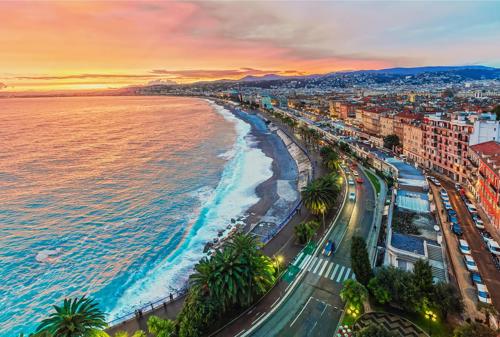
From Nice to Monaco, the Riviera blends seaside elegance with cultural landmarks. It’s one of the most beautiful places in France, offering scenic drives and relaxed promenades.

Bordeaux & South West France
Best for: Wine, architecture, riverside cities
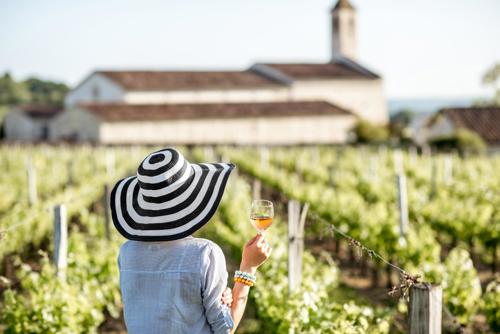
Bordeaux combines historic architecture with world-renowned vineyards. The surrounding region offers a refined yet approachable introduction to French wine culture.
Our holidays to France


- Enjoy a visit to majestic Avignon and the stunning Roman aqueduct, the Pont du Gard
- Board a delightful cruise on the tree-lined Canal du Midi
- Set off on a guided walking tour of historic, walled Carcassonne, including the inner Chateau and the beautiful church of St Nazaire
-
Flights included
6 days
from £796 ppwas £995 pp -
Dates Available
April 2027 - October 2028
-
Duration
6 days
-
Depart From
16 airports
-
Excursions & Visits
4 included
-
Meals
5 included


- In Nice see the Palais de Justice, Opéra de Nice, and the Russian Orthodox Cathedral
- Visit Antibes, where you can see the Picasso Museum and the historic centre
- Experience Genoa on an optional excursion with its medieval landmarks like Piazza San Matteo and San Lorenzo Cathedral
-
Flights included
8 days
from £1,435 ppwas £1,794 pp -
Dates Available
April 2027 - October 2027
-
Duration
8 days
-
Depart From
8 airports
-
Excursions & Visits
5 included
-
Meals
14 included
Top things to do in France
These are some of the most popular things to do in France, combining iconic landmarks with relaxed experiences. Some may be included in escorted tours, while others can be enjoyed during leisure time depending on your itinerary.
1. Explore the iconic landmarks of Paris
Overview: Visit the Eiffel Tower, Notre-Dame, and the Louvre, often with guided commentary.
Time needed: 1–3 days
Accessibility: Good step-free access on main routes; Métro access varies, while RER trains and buses are more accessible.
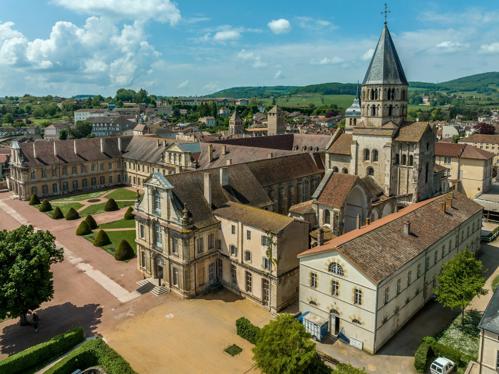
2. Visit the Loire Valley châteaux
Overview: Discover grand castles set among vineyards and rivers.
Time needed: Full day
Accessibility: Ground floors usually accessible; upper levels may require stairs.
 |
 |
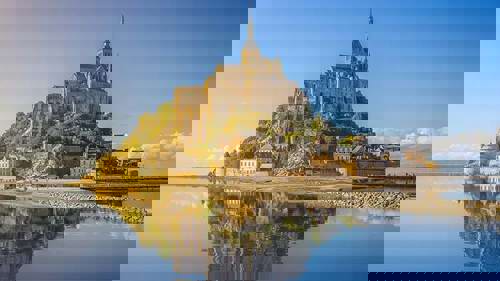
3. Discover Mont-Saint-Michel
Overview: A striking tidal island crowned by a medieval abbey.
Time needed: Half to full day
Accessibility: Shuttle access available; abbey requires steps, with Joëlette service available if pre-booked.
4. Experience Provence’s historic towns
Overview: Explore Avignon, Arles, or Aix-en-Provence with Roman remains and café culture.
Included on: Carcassonne, Avignon and Beautiful Provence
Time needed: Half day per town
Accessibility: Generally good, though cobbled streets are common.
 |
 |
5. Enjoy a Seine river cruise
Overview: A relaxed way to see Paris landmarks from the water.
Time needed: 1–2 hours
Accessibility: Often wheelchair accessible, depending on provider.
6. Explore Nice and the French Riviera
Overview: Walk the Promenade des Anglais and enjoy coastal scenery.
Included on: The French & Italian Rivieras
Time needed: Half day
Accessibility: Promenades are step-free; old town areas may be uneven.
 |
 |
7. Visit Bordeaux vineyards
Overview: Sample regional wines and learn about production.
Time needed: Half to full day
Accessibility: Varies by vineyard; many offer accessible tasting rooms.
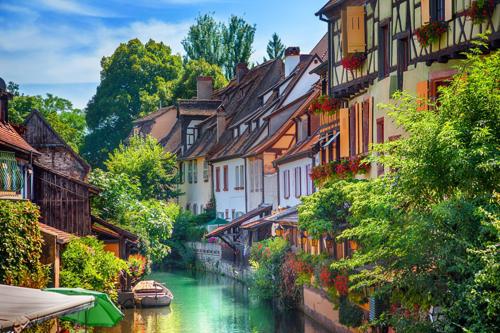
8. Walk through Alsace villages
Overview: Discover half-timbered houses and scenic wine routes.
Time needed: Half day
Accessibility: Village centres are accessible but may include uneven surfaces.
9. Explore Normandy’s D-Day beaches
Overview: Visit historic landing sites and memorials.
Time needed: Full day
Accessibility: Many sites are accessible, though terrain varies.
 |
 |
Food & drink in France
Food is central to the experience of travelling in France. Cuisine varies by region, offering both familiarity and variety.
- Paris & Île-de-France: Classic bistro dishes, pastries, cheeses
- Loire & Bordeaux: Fresh produce, river fish, and regional wines
- Provence: Olive oil, herbs, ratatouille, and rosé wines
- Alsace: Hearty dishes influenced by German cuisine
Dining is typically relaxed, with an emphasis on quality ingredients and seasonal flavours. For many travellers, sampling regional dishes becomes one of the most memorable things to do in France.
Getting around France
France is well connected, making travel between regions straightforward.
- Entry points: Eurostar to Paris, Charles de Gaulle Airport, and regional airports
- Rail network: Extensive high-speed trains (TGV) linking major cities
- Coach travel: Comfortable and practical for regional touring
Escorted tours simplify these logistics by organising transport, accommodation, and guided visits. This reduces the need for independent planning while ensuring you see the most important famous places in France.
The best time to visit France
Understanding the best time to visit France depends on your interests and chosen region.
- January–February: Cooler and quieter; ideal for city breaks
- March–April: Spring blooms and milder weather
- May–June: Warm and popular for sightseeing
- July–August: Warmest months with lively atmosphere
- September–October: Mild conditions; excellent for wine regions
- November–December: Cooler, with festive markets and fewer crowds
For many travellers, late spring and early autumn provide the most balanced conditions, answering the common question: when is the best time to visit France.
Accessibility & comfort in France
France offers a good level of accessibility, though this varies by location.
- Step-free access is available on many transport routes
- Museums and hotels often include lifts, but it’s best to check in advance
- Historic sites may involve cobbled streets or steps
Escorted tours can help manage these considerations, providing reassurance and support throughout the journey.
Essential information for France
The ETIAS (European Travel Information and Authorisation System)
As of late 2026, UK citizens (and other visa-exempt travellers) will require this pre-travel authorisation to enter France.
France’s currency
France’s currency is the Euro (€). As a guide, £1 is typically around €1.15–€1.20 (rates vary). France is increasingly cash-light, with contactless payment widely accepted.
Tipping in France
Tipping in France is not obligatory, as service is usually included. Small tips are appreciated for good service.
Plugs in France
Plugs in France are type C and E. UK travellers will need an adaptor.
Useful French phrases
Hello - Bonjour
Please - S'il vous plaît
Thank you very much - Merci beaucoup
Goodbye - Au revoir
Yes - Oui
No - Non
Do you speak English? - Parlez-vous anglais?
FAQs
Discover our blog

World Photography Day: The most photographed sights by continent
As the world celebrates the art of photography, why not take a look at the landmarks that have been captured more than any others?

Inside our itineraries: Catching up about Carcassonne with Ellen
Our Head of E-Commerce, Ellen, recently visited Carcassonne, Avignon and Provence – here's what she discovered about rural France.

The best places to visit based on your Chinese zodiac sign
Embrace your inner animal and celebrate the Lunar New Year with a tour to your ideal zodiac-inspired destination.