
India Travel Guide
Discover one of the world's most vibrant and varied destinations
India: our destination guide
India is one of the most vibrant and varied nations on earth, from deserts to jungles, hilltops to beaches, and holy cities to architectural wonders, there is a full spectrum of things to see and do, making a visit to the subcontinent so much more than your average trip abroad.
This travel guide discusses the top things to do and best places to see in India, like viewing the Taj Mahal at sunrise, experiencing the grandeur of Jaipur’s Amber Fort, where mirrored halls and hillside ramparts set the scene for vivid views, and exploring Ranthambore National Park, a landscape of jungle and ancient ruins where tigers are often spotted.
Discover the best India has to offer, stress-free, with Newmarket Holidays escorted tours.
Places to visit in India

Delhi
For those interested in history, culture, city experiences, and shopping, Delhi is the place to start. India’s capital brings together Mughal architecture, colonial-era boulevards, and modern business districts such as Aerocity. Historic landmarks sit alongside lively shopping areas like Chandni Chowk, Lajpat Nagar, and South Extension, offering everything from traditional markets to contemporary retail.
Featured in: Golden Triangle, Tigers & the Taj Mahal, India & Nepal, Rajasthan Premier Collection

Agra, Uttar Pradesh
Bringing together world-famous monuments with Mughal history, Agra is home to the Taj Mahal and the vast Agra Fort. Its intricate marble craftsmanship and riverfront views make it a highlight of any journey through northern India.
Featured in: Golden Triangle, Tigers & the Taj Mahal, Highlights of India, India & Nepal

Jaipur, Rajasthan
Lovers of architecture, heritage and local marketplaces will find everything they want, and more, in the city of Jaipur. The ‘Pink City’ is known for its royal palaces, astronomical observatory, and colourful bazaars. The hilltop Amber Fort—famous for its mirrored halls and sweeping Aravalli views—showcases Rajasthan’s regal past.
Featured in: Golden Triangle, Rajasthan Premier Collection, Highlights of India

Ranthambore National Park, Rajasthan
Slightly slower paced but still unmissable for wildlife enthusiasts, photographers, and adventurers alike, Rathambore National Park is a key destination for tours of India. One of India’s most accessible wildlife reserves, Ranthambore combines ancient ruins, rocky ridges, and forested terrain. Morning and afternoon safaris offer the chance to observe tigers, leopards, and deer in a dramatic natural setting.
Featured in: Tigers & the Taj Mahal, Highlights of India, Himalayas to the Ganges, Tigers, Taj Mahal & Goa

Varanasi, Uttar Pradesh
India’s spiritual centre, ideal for cultural immersion and experiencing local traditions. Varanasi is set along the River Ganges, where temples, ritual ghats, and early-morning ceremonies offer a profound cultural experience. Dawn boat rides reveal centuries-old traditions still actively practised today.
Featured in: Himalayas to the Ganges, India & Nepal

Kerala Backwaters, Kerala
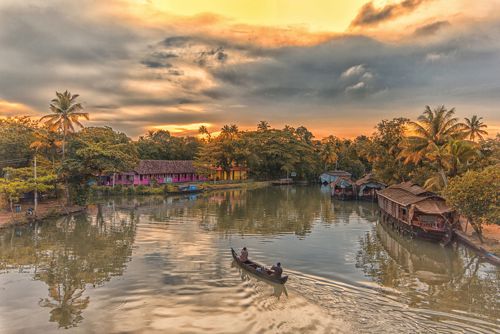
If you’re in need of relaxation, a lover of coastal escapes or scenic photography, the Kerala Backwaters are a must-see sight in India. A tranquil network of canals, lakes, and palm-fringed villages that reveal the slower rhythm of South India. Traditional houseboats, coastal cuisine, and nearby beaches create a gentle contrast to India’s northern cities.
Featured in: Kerala & India’s Beautiful South, Highlights of India – Golden Triangle to Kerala

Goa
For more coastal experiences, beach views and relaxation, Goa is a must-visit location for any Indian tour. A coastal region shaped by centuries of Portuguese influence, with whitewashed churches, seafood-led cuisine, and wide sandy shores. Its relaxed pace offers a refreshing break after an active touring itinerary.
Featured in: Tigers, the Taj Mahal & Goa

Mumbai, Maharashtra
The fashion capital of India, perfect for experiencing urban culture, architecture and food, blends colonial architecture with waterfront promenades and thriving markets. Marine Drive, the Gateway of India, and Colaba’s bustling lanes highlight the city’s energy and cultural diversity.
Featured in: Rudyard Kipling’s Jungle Safaris, Luxury Indian Rail Odyssey
Our holidays to India


- On a guided tour, see the pavilions and palaces of Agra Fort and the famed monument of love, the UNESCO-listed Taj Mahal
- Visit one of Delhi’s most famous and historical monuments, Humayun's Tomb
- Travel by Jeep to the red sandstone ramparts of the sixth-century Amber Fort
-
Flights included
11 days
from £1,627 ppwas £1,935 pp -
Dates Available
October 2026 - November 2028
-
Duration
11 days
-
Depart From
7 airports
-
Excursions & Visits
12 included
-
Meals
22 included


- Discover the historical delights of Delhi and explore the city on a rickshaw
- Witness the special Palki ceremony at Amritsar’s Golden Temple
- Explore Jaipur’s City Palace, the Jantar Mantar observatory and the ‘Palace of Winds’
-
Flights included
18 days
from £2,778 ppwas £3,289 pp -
Dates Available
November 2026 - September 2028
-
Duration
18 days
-
Depart From
1 airport
-
Excursions & Visits
16 included
-
Meals
37 included


- Cruise through Alleppey’s verdant backwaters on a traditional thatched houseboat
- Marvel at the Chinese fishing nets along Kochi’s harbour
- Take in the garden city of Bangalore and explore the elegant Summer Palace, a former residence of Mysorean ruler Tipu Sultan
-
Flights included
18 days
from £2,316 ppwas £2,745 pp -
Dates Available
February 2027 - November 2028
-
Duration
18 days
-
Depart From
3 airports
-
Excursions & Visits
14 included
-
Meals
32 included


- View the Taj Mahal from across the Yamuna River and visit Chand Baori Stepwell in Abhaneri, one of the biggest stepwells in the world
- On a guided tour, see the famed monument of love, the UNESCO-listed Taj Mahal
- Journey on morning and afternoon safaris in search of tigers in Ranthambore National Park
-
Flights included
13 days
from £2,723 ppwas £3,789 pp -
Dates Available
07 February 2027
-
Duration
13 days
-
Depart From
1 airport
-
Excursions & Visits
10 included
-
Meals
23 included


- Spend time in Agra and watch the sunrise behind the Taj Mahal, the ivory-white marble mausoleum of love
- Explore the tiger-rich wilderness of Ranthambore National Park with morning and afternoon safaris
- Witness the major academic and religious centres of Varanasi, India’s spiritual capital
-
Flights included
16 days
from £2,948 ppwas £3,489 pp -
Dates Available
April 2027 - November 2028
-
Duration
16 days
-
Depart From
5 airports
-
Excursions & Visits
14 included
-
Meals
31 included


- Fly to Jaipur, the ‘Pink City’ and head for the former Rajput capital, Amber and its fort
- Explore the tiger-rich wilderness of Ranthambore National Park with morning and afternoon safaris
- Stay overnight on a traditional Kerala houseboat and glide through the tranquil backwaters
-
Flights included
21 days
from £4,070 ppwas £4,809 pp -
Dates Available
November 2026 - November 2028
-
Duration
21 days
-
Depart From
1 airport
-
Excursions & Visits
19 included
-
Meals
40 included


- Take in Delhi’s most famed historic sites by rickshaw and discover landmarks on the city’s culinary map
- Survey the City Palace of Udaipur, Jagdish Temple, and the beautiful gardens of Saheliyon-ki of Udaipur
- Drift across Lake Pichola on a cruise, viewing Udaipur’s shoreside palaces and temples from a different angle
-
Flights included
14 days
from £2,849 ppwas £2,869 pp -
Dates Available
November 2026 - November 2027
-
Duration
14 days
-
Depart From
5 airports
-
Excursions & Visits
15 included
-
Meals
26 included


- On a guided tour, see the pavilions and palaces of Agra Fort and the famed monument of love, the UNESCO-listed Taj Mahal
- Stay in the holy city of Varanasi, set along the banks of the River Ganges
- Journey on morning and afternoon safaris in search of tigers in Ranthambore National Park
-
Flights included
13 days
from £2,273 ppwas £2,695 pp -
Dates Available
January 2027 - November 2028
-
Duration
13 days
-
Depart From
7 airports
-
Excursions & Visits
8 included
-
Meals
28 included
Top things to do in India
Many of India’s most celebrated attractions are already included in Newmarket Holidays’ India escorted tours, and your chosen itinerary will outline exactly which experiences are part of your trip. Others can be enjoyed during periods of leisure time, depending on your chosen tour’s schedule.
Some of the top things to do in India include:
| Experience | Description | Time Needed | Accessibility |
|---|---|---|---|
| Marvel at the Taj Mahal, Agra | India’s most recognisable landmark, built by Emperor Shah Jahan as a monument to enduring love. Sunrise visits offer softer light and a calmer atmosphere. | Half-day | Step-free routes and ramps available |
| Explore Jaipur’s Amber Fort, Rajasthan | A hilltop fortress of sandstone and marble with mirrored halls, sweeping views, and rich Rajput heritage. Travel up by jeep or take a steady walk. | Half-day | Uneven terrain; partial step-free access |
| Cruise the Kerala Backwaters | Glide through palm-lined canals and quiet villages aboard a traditional houseboat. This peaceful network of waterways offers a contrasting, tranquil side of India. | Full day or overnight | Step-on access varies by boat; check in advance |
| Search for tigers in Ranthambore National Park | A former royal hunting reserve now known for its forested cliffs, lakes, and the possibility—never guaranteed—of seeing Bengal tigers. | Half-day safari | Jeep rides can be bumpy; limited step-free facilities |
| Explore the majestic Agra Fort | A UNESCO-listed stronghold of red sandstone, with palaces, courtyards, and views of the Yamuna River. Often paired with a Taj Mahal visit for a deeper look at Mughal history. | 1–2 hours | Some uneven surfaces; can be crowded at peak times |
| Visit the Golden Temple, Amritsar | The holiest site in Sikhism, surrounded by a shimmering pool. Visitors are welcome to observe ceremonies and share a meal at the community kitchen (langar). Head coverings are required, and shoes must be removed and stored before entering. Photography is permitted outside but restricted inside the inner sanctum. | Half-day | Fully accessible; shoe-removal required |
| Ride the Himalayan ‘Toy Train’ to Shimla | A scenic journey into the foothills of the Himalayas, passing forests, bridges, and mountain villages. | Half-day journey | Limited step-free access at older stations |
| Experience Varanasi at dawn | Watch the Ganges come to life with morning rituals, temple bells, and colourful offerings. A profound insight into India’s spiritual traditions. | Half-day | Ghats have steps; some ramps available |
| Cruise on Udaipur’s Lake Pichola | Shoreside palaces, temples, and calm waters characterise this elegant Rajasthani city. | 1 hour | Varies by pier/boat |
| Discover Mumbai’s colonial landmarks | Explore the Gateway of India, Chhatrapati Shivaji Terminus, and historic neighbourhoods that shaped the city’s identity. | Half-day | Good accessibility at major sites |
Newmarket’s India holidays and tours uncover every corner of this unforgettable destination, from golden beaches to sacred cities, and more. Explore our escorted tours of India to find your perfect tour.
Food & drink in India
Indian cuisine varies widely from region to region, from rich northern curries to lighter coastal dishes in the south. Whether you’re sampling a classic butter chicken, a crisp dosa, or freshly pressed fruit juice, food and drink in India is central to daily life across the country and there are many must-try dishes to choose from. Many meals are included on Newmarket Holidays tours and take place in hotels and restaurants selected for quality and comfort. Vegetarian options are readily available, with additional opportunities to try regional favourites during leisure time.

Signature dishes by region
- North India: Creamy curries, breads, and tandoor cooking. Highlights include butter chicken, dal makhani, naan, and rich Mughal dishes in cities like Delhi, Agra, and Jaipur.
- Rajasthan: Known for warming, aromatic dishes such as laal maas (spiced mutton) and gatte ki sabzi (gram flour dumplings).
- South India: A lighter, tangier style of cooking with dosas, idlis, coconut-based curries, and seafood. Kerala is also known for its crisp fried fish and banana-leaf thalis.
- Goa: A blend of Indian and Portuguese influences. Expect seafood curries, coconut gravies, piri-piri flavours, and Catholic-inspired bakery items.
- Mumbai & Delhi: Excellent street-food scenes, including chaats, kebabs, parathas, and freshly made sweets.

Vegetarian and plant-based dining
India has one of the world’s most varied vegetarian cuisines, with many dishes naturally meat-free. Travellers will find a wide choice of regional vegetarian curries, lentil dishes, breads, and snacks in hotels, restaurants, and street stalls.
Popular dishes:
- Chana masala (chickpea curry)
- Palak paneer (spinach with paneer)
- Aloo gobi (potato and cauliflower)
- Dal tadka (tempered lentils)
- Chole bhature (spiced chickpeas with fried bread)
- Paneer jalfrezi (paneer with peppers)
- Dum aloo (potatoes in tomato gravy)

Safe street food & drinking water tips
Street food is popular across India, but simple precautions help ensure a comfortable experience. Choose busy stalls cooking food fresh, and avoid anything sitting out. Ensure meat is thoroughly cooked and stick to peeled fruits only. Drink sealed bottled water, avoid ice, and be cautious with fresh fruit juices, as some stalls use tap water.

Local dining etiquette
Before eating: Wash your hands and remove shoes if asked. In traditional settings, wait for the host or eldest person to begin the meal.
During the meal: Use your right hand for eating or passing food, even if you’re left-handed. Bread or rice is often used to scoop food, though cutlery is common in restaurants. Finish what you take and serve yourself modest portions.
After eating: Use the left hand for drinking water if you’ve eaten by hand, and wash your hands again when finished.
Getting around India
India’s major gateways include Delhi, Mumbai, and Chennai, each well connected to the rest of the country by air, rail, and road. Domestic flights link most major cities efficiently, while India’s extensive railway network offers a practical way to cover longer distances, with air-conditioned carriages providing the most comfortable option.
Newmarket Holidays’ escorted tours remove the need to navigate these logistics on your own. All transfers, internal transport, and domestic flights (where required) are arranged for you, ensuring a smooth and comfortable journey between each destination.
The best time to visit India
India’s climate shifts through four broad seasons: winter (Dec–Feb), when conditions are cooler and dry; summer (Mar–May), when temperatures rise sharply; the monsoon (Jun–Sep), bringing widespread rainfall; and post-monsoon (Oct–Nov), when skies clear and temperatures ease ahead of winter. Conditions vary by region, so the best time to visit depends on where you’re travelling.
Winter (December–February)
Northern India can be cold in the mornings and evenings, while the south stays warm and pleasant. Ideal for Golden Triangle touring, wildlife safaris, and backwater cruises. The weather is mostly cool, dry, and generally the most comfortable period.
Summer (March–May)
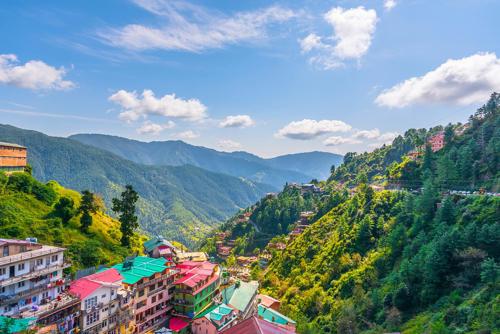
Temperatures are often at their highest of the year, with very warm conditions across north and central India. Coastal regions such as Goa and Kerala feel more manageable; hill stations like Shimla offer cooler air. The weather is hot and increasingly humid, especially toward May.
Monsoon (June–September)
Generally temperatures will be lower than in summer, but still warm. This is a good time to view Kerala’s lush landscapes, though travel can be disrupted by rainfall, especially in July and August. You are likely to experience heavy rain and high humidity across much of the country.
Post-monsoon (October–November)
After the monsoon season, India remains warm but more comfortable, and the temperature decreases steadily into winter. This is a popular time to visit Rajasthan, Delhi, and Agra, with improving visibility and milder days. You will usually find clearer skies and much lower rainfall at this time.
Month-by-month weather guide
| Month | Avg High / Low (°C) | Notes for Travellers |
|---|---|---|
| January | 10–25°C | Cool and dry but foggy in the north, pleasant in the south. Hill stations are chilly. |
| February | 12–27°C | Mild weather, ideal for travel. The North warms slightly. |
| March | 18–32°C | Start of summer in most regions, warm days. |
| April | 24–37°C | Hot in plains and deserts, humid along coasts. |
| May | 26–40°C | Hottest month, pre-monsoon thunderstorms in some areas. |
| June | 24–35°C | Monsoon begins in the south and moves north. |
| July | 23–32°C | Peak monsoon, heavy rain in most parts. |
| August | 23–31°C | Continued rain, lush greenery. |
| September | 22–33°C | Monsoon retreats gradually. |
| October | 18–32°C | Clear skies, post-monsoon freshness. |
| November | 14–28°C | Dry and pleasant, the start of winter in the north. |
| December | 10–25°C | Cool and dry, fog in north India. |
Sources: Intrepid / CTT / AI Overview
What is the best month to visit India?
The best months to visit India are November to March, when temperatures are mild, skies are clear, and most regions are comfortable for sightseeing and festivals.
When is the off-season for travel in India?
The off-season in India is July to September, during the monsoon (Only really impacts the North and West). Rainfall can limit travel, but it’s ideal for lower prices and lush green scenery in Kerala and Goa.
Is December a good time to visit India?
Yes. December offers cool weather, vibrant festivals, and peak visibility in destinations like Rajasthan and the Golden Triangle. It’s one of the busiest months for travel.
What is the peak tourist season in India?
The peak tourist season runs from October to March, when the weather is cool and dry, making it ideal for outdoor sightseeing and festivals.
When should I avoid visiting India due to weather?
Avoid travelling to lowland regions between May and September, as these are India’s hottest months, with temperatures often exceeding 45°C. Hill stations and the Himalayas are exceptions, offering much more pleasant conditions during this period. In fact, this is when many mountain temples open for the season, and a lot of Hindus travel for pilgrimages (yatra). These temples typically close just before November, when the snow starts.
Accessibility & comfort in India
India’s major attractions vary in accessibility, but many offer step-free routes or wheelchair-friendly areas. Sites such as the Taj Mahal provide designated ramps and accessible entry points, while larger museums, gardens, and modern airports tend to have good step-free access. Historic forts and older temples may include uneven surfaces or stairs, so checking ahead is advisable.
Newmarket Holidays’ escorted tours of India are designed to offer a comfortable pace, with air-conditioned coach transport, assistance from experienced tour managers, and clear guidance at each stop. Travellers with specific mobility needs can also request airport support or discuss suitability with the team before booking to ensure a smooth and enjoyable journey.
Essential information for India
India’s Currency
India uses the Indian Rupee (INR). Cash is widely used, especially outside major cities and at small shops, roadside cafés, and restaurants - where card machines may not be available. ATMs are common, but carrying small denominations is helpful for tipping and everyday purchases.
Tipping in India
Tipping isn’t mandatory but is customary and appreciated, particularly in airports, hotels, and restaurants that cater to visitors. Small amounts go a long way 10–100 INR is typical for porters, washroom attendants, or simple services. In restaurants, a modest tip is welcomed if a service charge isn’t already included.
Plugs in India
India uses Type C, D, and M plug sockets. A universal travel adaptor is recommended, especially if you’re moving between regions or staying in a mix of modern and heritage hotels.
Useful Hindi phrases in India
A few simple Hindi phrases can be helpful when travelling. These are polite, common, and easy to use:
Hello: नमस्ते (Namaste)
Goodbye: अलविदा (Alvida) / नमस्ते (Namaste)
Thank you: धन्यवाद (Dhanvaad) / शुक्रिया (Shukriya)
Please: कृपया (Kirpa)
Yes: हाँ (Haanji)
No: नहीं (Nahi)
How are you?: आप कैसे हैं? (Aap kaise hain?)
Do you speak English?: क्या आप अंग्रेज़ी बोलते हैं? (Kya aap angrezi bolte hain?)
How much does this cost?: यह कितने का है? (Yeh kitne ka hai?)
Where is the restroom?: वॉशरूम कहाँ है? (Washroom kahan hai?)
FAQs
Discover our blog

The best places to go on holiday in October
From autumn festivals to warm-weather relaxation, October is a surprisingly great time to travel. Discover the best holiday destinations this October.

New tours, new experiences for 2027
Whether you’re a casual holidaymaker or have explored every destination under the sun, there are still hundreds of fascinating experiences to enjoy over the coming years.

A first-timer’s guide to India
Whether you’re a first-time traveller or new to a particular region, these quick and easy tips can make a world of difference to your Indian adventure.